
What details should you give an insurer about the space and rental plan?
Give the insurer a clear picture of what guests will use, how often they’ll visit, who may enter, and what activities are included. Mention whether access is attended, whether renters can bring guests, and whether bookings are occasional or recurring. Those facts may affect how the insurer views the risk.
Bring these details to the conversation:
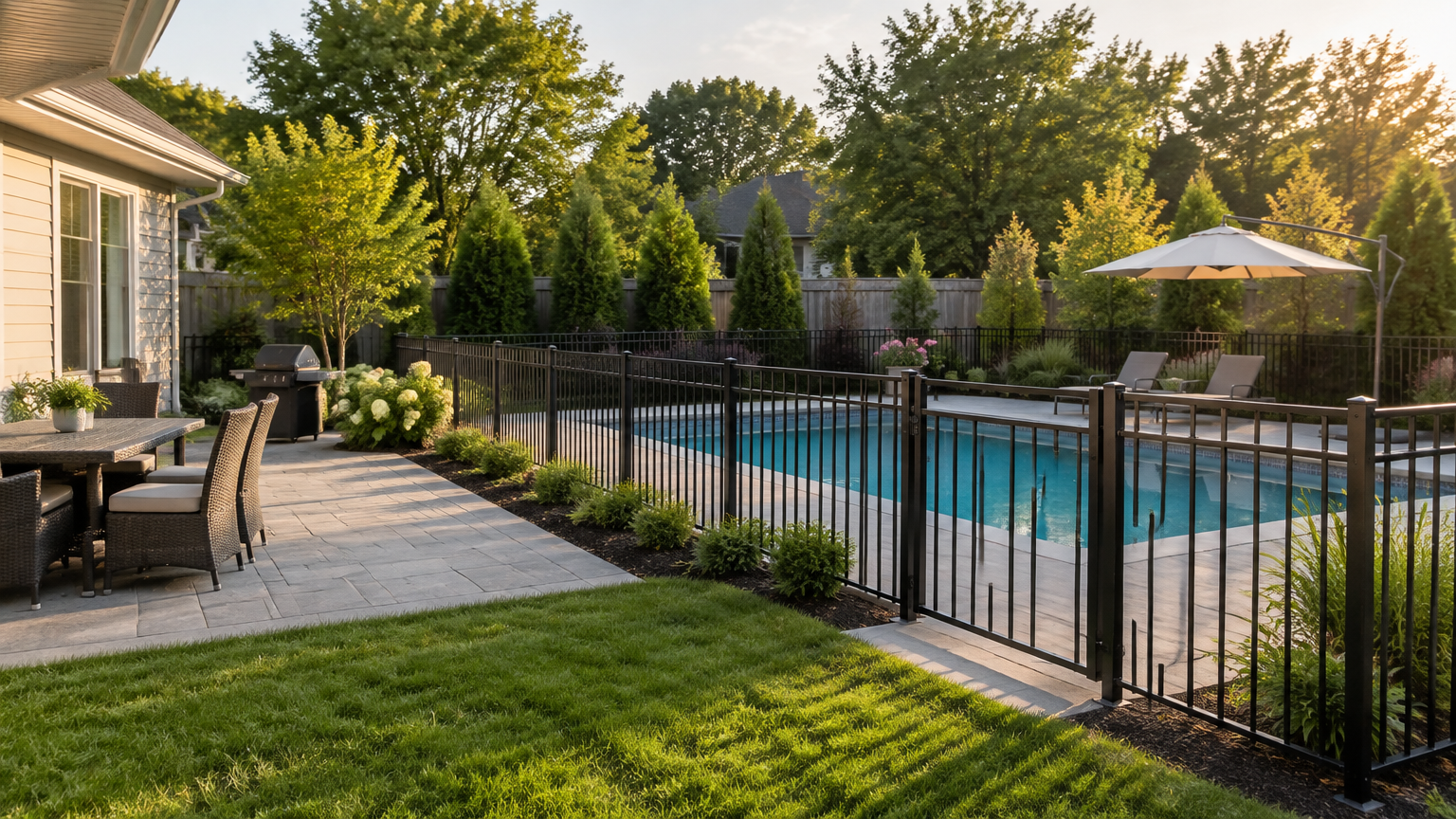
- Describe the exact area being rented. Explain whether guests will use a pool, backyard, patio, deck, side yard, outdoor lot, bathroom, storage area, or other part of the property. Point out shared walkways, gates, driveways, stairs, and areas that will remain private.
- Explain the booking schedule. Tell the insurer whether you expect occasional bookings, regular weekly use, seasonal activity, event-style reservations, or longer arrangements. Don’t describe the plan as “just a few guests” if you intend to accept recurring paid bookings.
- Identify everyone who may enter. Ask how coverage applies to the person who makes the booking, children, friends, family members, employees, event attendees, or other guests. If the renter can invite additional people, say so plainly.
- List the amenities and activities. Include diving boards, slides, hot tubs, grills, fire pits, outdoor furniture, sports equipment, lighting, pool toys, showers, and other features. The insurer may ask about these items even if they seem minor to you.
A simple written description can make the call easier: “Guests will reserve our fenced backyard pool for two-hour bookings. The homeowner may or may not be present. Renters may bring up to a stated number of people, and grilling is not allowed.” Use your actual plan, not the version you hope will be easier to insure.
Will your current homeowners policy cover paying guests?
Don’t assume a standard homeowners policy covers paid access to a pool or backyard. Ask how the policy treats paying guests, short-term rentals, recurring bookings, business use, and home-based business exclusions. The insurer should also explain whether notice, an endorsement, a different policy, or other conditions apply.
Personal liability coverage may respond to certain claims under a homeowners policy, but it is subject to the policy’s limits, exclusions, conditions, and definitions. A paid outdoor rental can create questions that an ordinary family or social visit does not.
Ask the agent to address these points directly:
- Does accepting payment for pool or outdoor-space access count as business use?
- Is there a business-use exclusion or home-based business limitation?
- Would occasional bookings be treated differently from regular bookings?
- Are paying guests considered insured persons, guests, customers, or another category?
- Could listing the space affect the policy’s eligibility or renewal?
- Do you need to notify the insurer before accepting the first booking?
- Would the policy cover the property when the host is not present?
The National Association of Insurance Commissioners explains that homeowners or dwelling policies may not be designed for home-sharing or similar paid rental activity. Its guidance on home-sharing coverage recommends discussing the arrangement with an insurer rather than assuming existing coverage applies.
Ask for the answer in writing, along with the relevant endorsement, exclusion, or policy language. An informal statement such as “you should be fine” may not explain what happens when a claim involves a paying guest, a business-use exclusion, or a prohibited activity.
What liability and damage questions should you ask about renters and their guests?
Ask the insurer to separate injury claims from property claims and defense costs. A useful conversation covers bodily injury, damage to your property, damage to a renter’s belongings, medical payments, and legal defense. Also ask about limits, deductibles, exclusions, and claims involving children or additional guests.
- Bodily injury: Would liability coverage respond if a renter or invited guest slips on a wet surface, falls on stairs, becomes injured in the pool, or is hurt by outdoor equipment? Ask whether the answer changes when the person paid to enter.
- Damage to your property: Ask whether the policy could cover damage to the pool, fence, gate, deck, patio, pump, filter, furniture, grill, lighting, or other property caused by a renter. Liability coverage and property coverage may treat the same incident differently.
- Damage to a renter’s belongings: Find out whether the policy addresses a renter’s clothing, phone, equipment, vehicle, or other personal property. Don’t assume the renter’s own insurance will pay, and don’t promise renters that your policy protects their belongings.
- Medical payments coverage: Ask whether medical-payments coverage applies to a paying guest and whether it has different rules from personal liability coverage. This coverage can have its own limit and conditions, so ask the insurer to explain its purpose.
- Legal defense and claim limits: Ask whether the insurer would provide a legal defense for a covered claim, what liability limits apply, whether defense costs reduce those limits, and what deductible or exclusions could affect the claim.
A pool creates a particular liability conversation because it can present risks to people who may not recognize them, including children. The Insurance Information Institute discusses pool hazards, liability limits, safety features, and umbrella coverage in its pool safety and insurance guidance.
You can also ask how the insurer would handle a claim involving an additional guest who was not named in the booking, an unsupervised child, or an activity that your listing rules prohibited. A rule against diving may be sensible, but a rule alone does not determine whether a claim is covered.
Which access, hours, activities, and safety conditions could affect coverage?
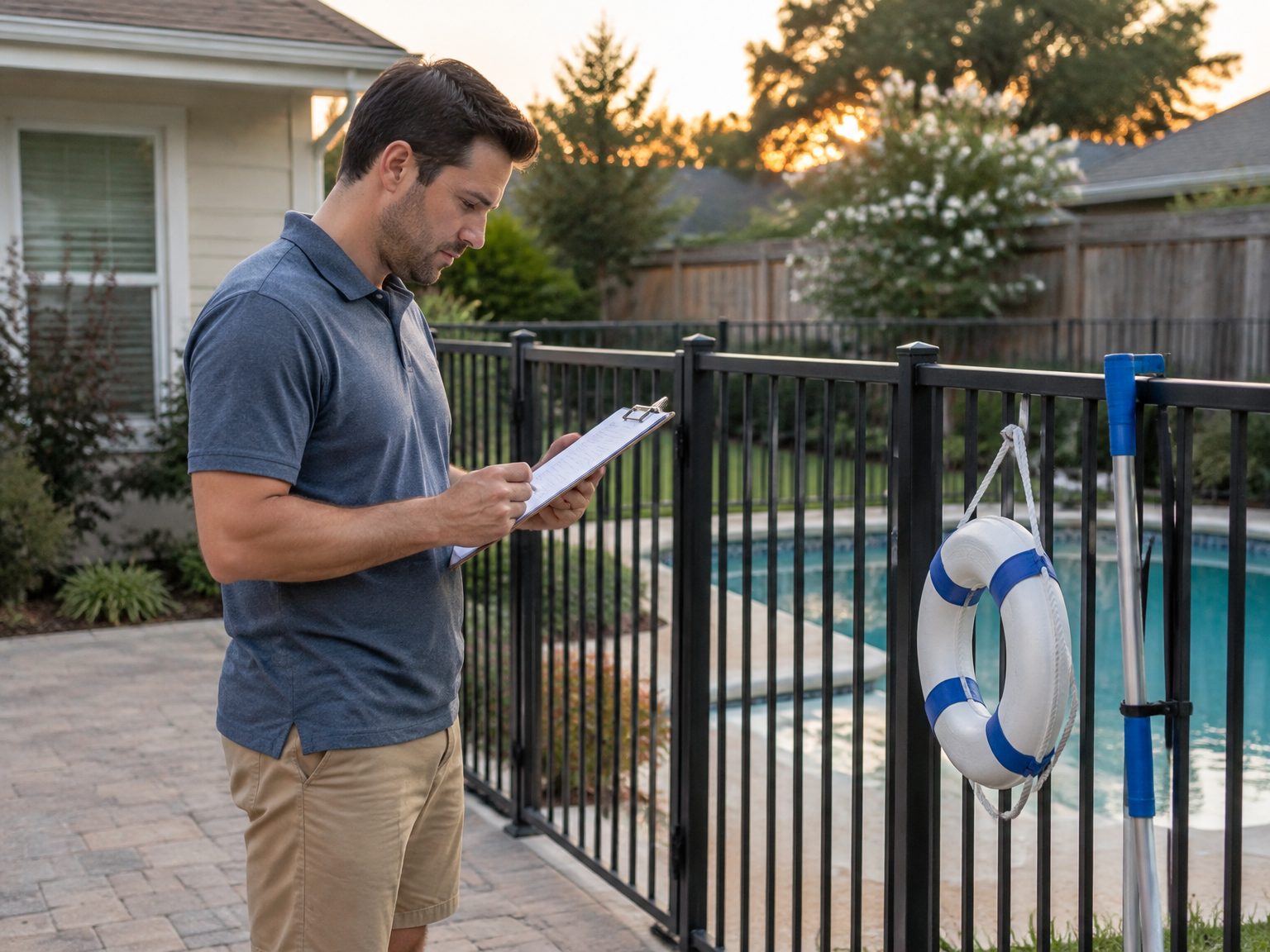
Operational details matter because the insurer needs to understand how people will enter and use the space. Ask about unattended access, allowed hours, occupancy, extra guests, supervision, and activities. Treat fences, gates, alarms, covers, equipment, and fire features as questions for the insurer, not automatic protection.
- Unattended access: Ask whether coverage changes if renters enter through a lock, keypad, gate, or other access method while you are away. Explain who controls access and how you’ll prevent entry outside the reservation.
- Permitted hours: Discuss daytime, evening, overnight, seasonal, and event-related use. If you plan to offer late bookings, ask whether lighting, noise, supervision, or neighborhood conditions affect underwriting.
- Maximum occupancy: Tell the insurer how many people may use the space at once and whether the limit applies to the renter plus invited guests. Ask whether the insurer expects a written occupancy rule or a particular method of enforcement.
- Renter-brought guests: Clarify whether a renter may bring children, friends, pets, vendors, instructors, or event attendees. Ask how coverage treats someone who enters with permission but did not make the booking.
- Supervision expectations: Find out whether an adult must be present, whether a lifeguard or other trained person is expected, and whether the insurer has conditions for children or inexperienced swimmers. Don’t advertise supervision unless you actually provide it.
- Allowed activities and equipment: Ask about swimming, diving, inflatables, sports, grilling, alcohol, fire pits, hot tubs, slides, diving boards, pool covers, drains, pumps, and other equipment. The insurer may require certain safety features or exclude specific activities.
The National Association of Insurance Commissioners’ pool coverage guidance notes that insurers may ask about fencing, self-closing and self-latching gates, locks, covers, alarms, and drain covers. Requirements vary, so ask what applies to your property rather than copying a rule from another location.
Write down every safety condition the insurer mentions. If the agent says a gate must stay locked or a pool alarm must be installed, ask whether that condition appears in the policy, endorsement, underwriting file, or another document. You’ll want to know what is required before listing and what must be maintained afterward.
Should you ask about an endorsement, umbrella policy, or separate business coverage?
Ask the insurer to compare possible coverage paths for your actual use instead of choosing a policy from a generic checklist. The discussion may include an endorsement, rental dwelling policy, commercial general liability policy, or umbrella policy. Each option has its own eligibility rules, exclusions, limits, and purpose.
- An endorsement to your current policy: Ask whether the insurer can add coverage for occasional or recurring paid use. Find out exactly what the endorsement covers, what it excludes, when it takes effect, and whether it changes property or liability terms.
- A landlord or rental dwelling policy: Ask whether this type of policy fits the way you rent the space. It may be discussed for certain rental arrangements, but the right policy depends on whether you’re renting a home, a portion of a property, or access to an outdoor amenity.
- Business or commercial general liability coverage: If the activity is treated as a business, ask whether personal coverage is appropriate or whether a business policy should be considered. Ask about guest injuries, completed activities, property damage, defense costs, and excluded operations.
- An umbrella liability policy: Ask whether an umbrella would respond above the underlying policy for a covered claim involving paid guests. An umbrella may add excess liability protection, but it does not automatically remove an exclusion or pay to repair your own property.
A separate policy isn’t automatically required for every host, and an umbrella isn’t a universal solution. The NAIC explanation of umbrella policies notes that umbrella coverage can provide additional liability and defense protection subject to its terms, while not simply covering damage to the host’s home or vehicle.
Ask for a side-by-side explanation of what each option would cover, what it would exclude, and whether the insurer would still cover an incident if you failed to follow a stated safety condition. Also ask whether the coverage applies to pool equipment, outdoor structures, guest belongings, and claims involving additional people.
What should you check outside the insurance policy before listing the space?
Insurance approval does not establish permission to rent the space. Separate checks may involve your HOA or condo documents, lease, landlord, local zoning office, building department, and pool-safety authority. Confirm those rules before listing, because a policy can cover a risk without making the activity allowed.
- HOA or condo documents: Look for restrictions on commercial activity, short-term rentals, guest access, noise, parking, pools, and use of shared facilities. Ask the association for written clarification if the documents are unclear.
- Lease and landlord permission: If you rent the property, review the lease and ask the owner before offering a backyard, pool, patio, or outdoor area to paying guests. Insurance cannot give you rights that your lease does not provide.
- Local zoning and pool rules: Check city or county requirements for pool barriers, gates, alarms, decks, occupancy, permits, events, and commercial use. Rules can vary by location, so avoid relying on a national assumption.
- Safety and occupancy conditions: Confirm that the property meets applicable requirements for fences, locks, lighting, drains, equipment, access routes, and emergency information. Ask which agency handles questions in your area and keep copies of any approvals.
Keep these checks separate from your insurer’s answer. The Maryland Insurance Administration’s home-sharing guidance explains that regular paid use may raise home-based business and liability questions, while association and property rules remain separate concerns.
A renter’s permission to use your space also doesn’t transfer responsibility for every safety decision. Keep the property maintained, follow applicable rules, and tell the insurer about changes such as a new gate, fire feature, diving board, or booking arrangement.
How should you use the insurer’s answers when preparing a Parking Mate listing?
Use the insurer’s written guidance to describe the space and its rules accurately, not to imply that Parking Mate provides coverage or legal approval. Parking Mate lets hosts list spaces, set availability, and manage bookings, while each host remains responsible for checking insurance, property permissions, and local requirements.
Once you have clear answers, compare them with the listing you plan to publish. If the insurer limits use to certain hours, guest counts, activities, or access methods, make those limits part of the listing rules. Don’t advertise diving, parties, unattended children, late-night access, or extra guests if those uses were excluded or never discussed.
Parking Mate supports listings for pools and outdoor spaces. You can review Parking Mate’s pool listings or outdoor spaces on Parking Mate to understand how these categories are presented. If you decide to host, prepare your space before listing it with accurate photos, access details, availability, and rules.
Keep a folder with the agent’s emails, policy documents, endorsements, exclusions, safety requirements, HOA or landlord approval, and local information. Revisit the conversation if you change the hours, add equipment, increase occupancy, allow events, or move from occasional bookings to regular paid use.
Parking Mate is not an insurer, lawyer, or government approval office. A listing does not verify your coverage, guarantee a claim, or replace a fence inspection, lease review, HOA approval, permit, or local safety check. The safest approach is to understand those separate responsibilities before you accept the first booking.
Related reading
Frequently asked questions
Does homeowners insurance automatically cover renting out a pool?
No. Coverage depends on the policy language, the rental arrangement, how often guests pay to use the pool, permitted activities, and the insurer’s underwriting rules. Ask directly about paying guests, business use, exclusions, and required policy changes.
Could renting out a backyard be treated as business use?
It could be. Regular paid access may raise home-based business or commercial-use questions, but the answer depends on the policy and facts. Ask the insurer how recurring bookings, occasional rentals, and unattended access would be classified.
Would an umbrella policy cover pool rental liability?
An umbrella policy may provide additional liability protection above certain underlying policies, subject to its terms. It does not automatically remove exclusions or cover damage to the host’s property, so ask specifically about paid pool or outdoor-space use.
Does insurance approval mean an outdoor rental is allowed?
No. Insurance is separate from HOA or condo rules, lease restrictions, landlord permission, zoning, permits, and local pool-safety requirements. Check each source of permission before listing the space.