
What should a private pool rental guest limit include?
A private pool rental guest limit should cover the maximum number of people allowed on the property or in the pool area, not just the people actively swimming. State whether children, spectators, non-swimmers, and deck or yard users count. Keep this operating limit separate from public-pool bather-load formulas.
A vague rule such as “small groups only” leaves too much room for disagreement. A renter may think eight swimmers are acceptable even if another six adults and children are watching from the yard. From a host’s perspective, everyone present can affect access, supervision, noise, property use, and the response needed in an emergency.
Write one clear number and explain what it covers. For example, a host might state that the maximum applies to everyone present during the reservation, including guests who do not enter the water. If you want to use separate limits for total attendees and swimmers, write both numbers plainly rather than expecting renters to interpret the pool’s size.
The term “bather load” can be useful background, but it should not become an invented nationwide rule for private rentals. The CDC’s Model Aquatic Health Code is aimed at aquatic venues open to the public and is not automatically the law for every residential pool rental. Local rules may differ.
A guest limit also needs to account for the actual layout. A small pool with narrow walking areas, limited seating, or an unfenced connection to the home may need a more conservative operating rule than a larger, separately enclosed area. Hosts should choose a number they can manage safely and explain any restrictions before accepting payment.
If you plan to list a pool space on Parking Mate, put the maximum group size in the listing details and repeat it in the arrival instructions. A renter should not have to send several messages to discover whether grandparents, birthday guests, or non-swimmers count.
Why do guest counts and adult supervision need to be planned together?
A headcount does not replace supervision. Larger groups create more movement, noise, distractions, and uncertainty about who is watching children. Close adult attention remains necessary even when swimmers have taken lessons, flotation devices are available, or a fence limits access.
Consider a birthday gathering where several parents are near the pool. Each adult may assume another person is watching a child, especially when conversations, food, photos, and changing supervision duties compete for attention. A written guest limit reduces crowding, but it does not assign responsibility.
The CDC recommends close and constant supervision around water and advises supervisors to avoid distractions such as phones and reading. It also says children who have had swimming lessons still need close attention. The CDC summer swim safety guidance gives hosts a useful foundation for their pre-arrival instructions.
A water watcher is a designated adult whose main job is to watch swimmers. The American Red Cross recommends this approach for group settings and cautions that flotation toys or water wings should not replace adult supervision. A water watcher should also be sober and prepared to notice a problem quickly.
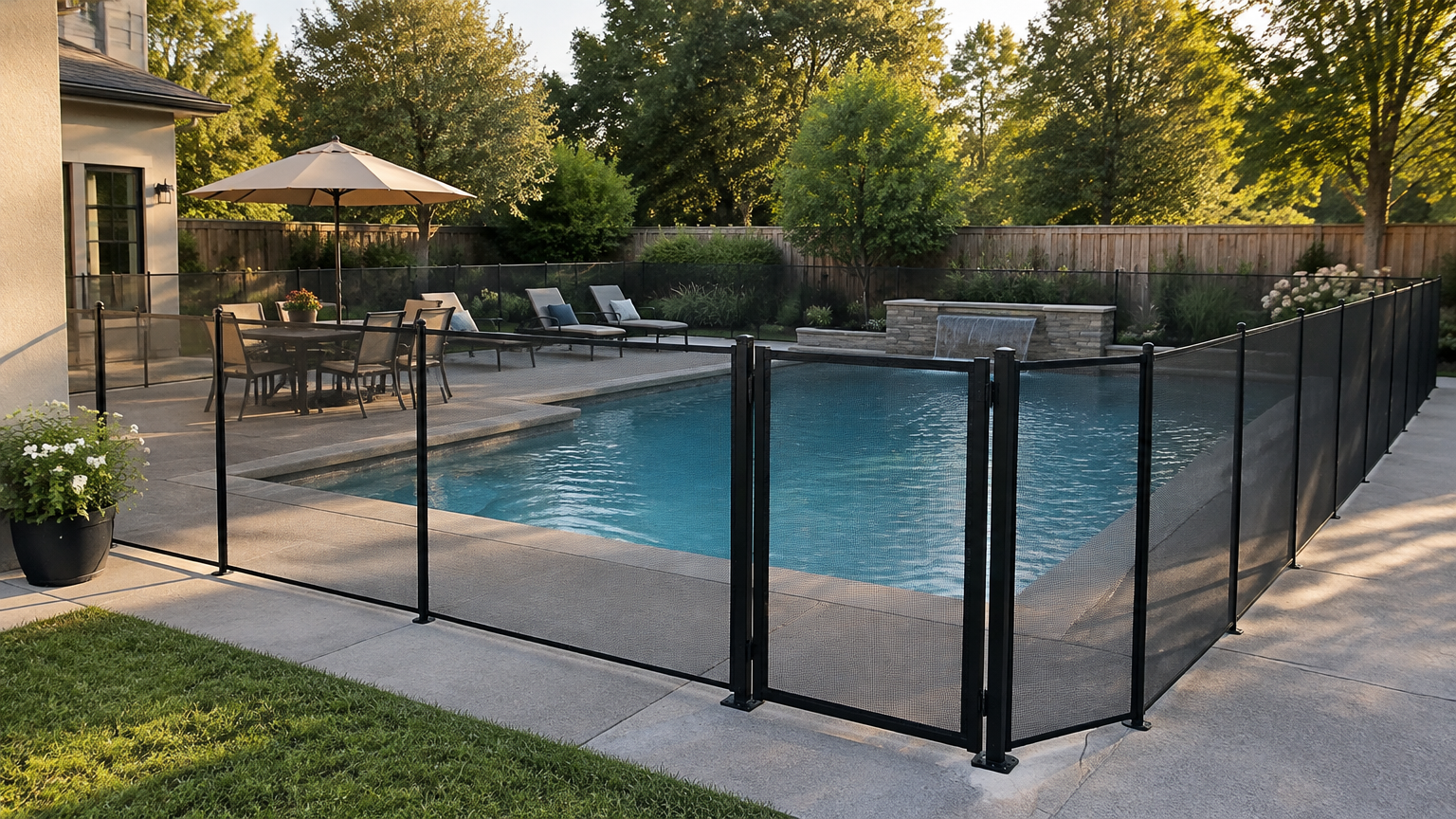
Physical barriers provide another layer. The CDC recommends a four-sided fence that separates the pool from the house and yard, along with a self-closing and self-latching gate. The CPSC also describes barriers as an additional safeguard, not a substitute for adult attention. A fence can reduce accidental access, but it cannot supervise an open pool during a reservation.
How should a host set a clear guest limit before accepting a booking?
Set the rule before approval, not after a group arrives. A host can make the decision easier by defining one maximum group size, identifying who counts, asking about children and non-swimmers, and confirming that the booking window gives the group an appropriate supervision plan.
- Choose one maximum group size. Decide how many people may be present at one time, based on the pool area, access points, seating, property layout, and the level of oversight you can reasonably manage. Do not copy a number from another pool or assume a public-pool formula applies.
- Define who counts toward the limit. State whether the number includes swimmers, children, spectators, non-swimmers, parents, and people who remain on the deck or in the yard. A simple rule such as “all attendees count, even if they do not swim” prevents many disputes about extra guests.
- Ask about children and non-swimmers in advance. The booking guest should tell you whether young children, people who cannot swim, or guests who may need closer attention will attend. This information does not automatically create a universal adult-to-child ratio, but it can affect whether you accept the booking and what instructions you give.
- Match the booking window to the supervision plan. Confirm the arrival and departure times, pool-use hours, and who will supervise during the reservation. A group that arrives early, stays late, or changes its supervising adult can create confusion even when the original headcount was acceptable.
Avoid promising that a guest limit alone makes the pool safe. The host still needs to consider the condition of the fence and gate, access from the house, emergency equipment, local requirements, and the renter’s ability to follow the rules. A short pre-arrival message can ask the booking guest to confirm the expected headcount and named water watcher.
Who should supervise children and non-swimmers during the reservation?
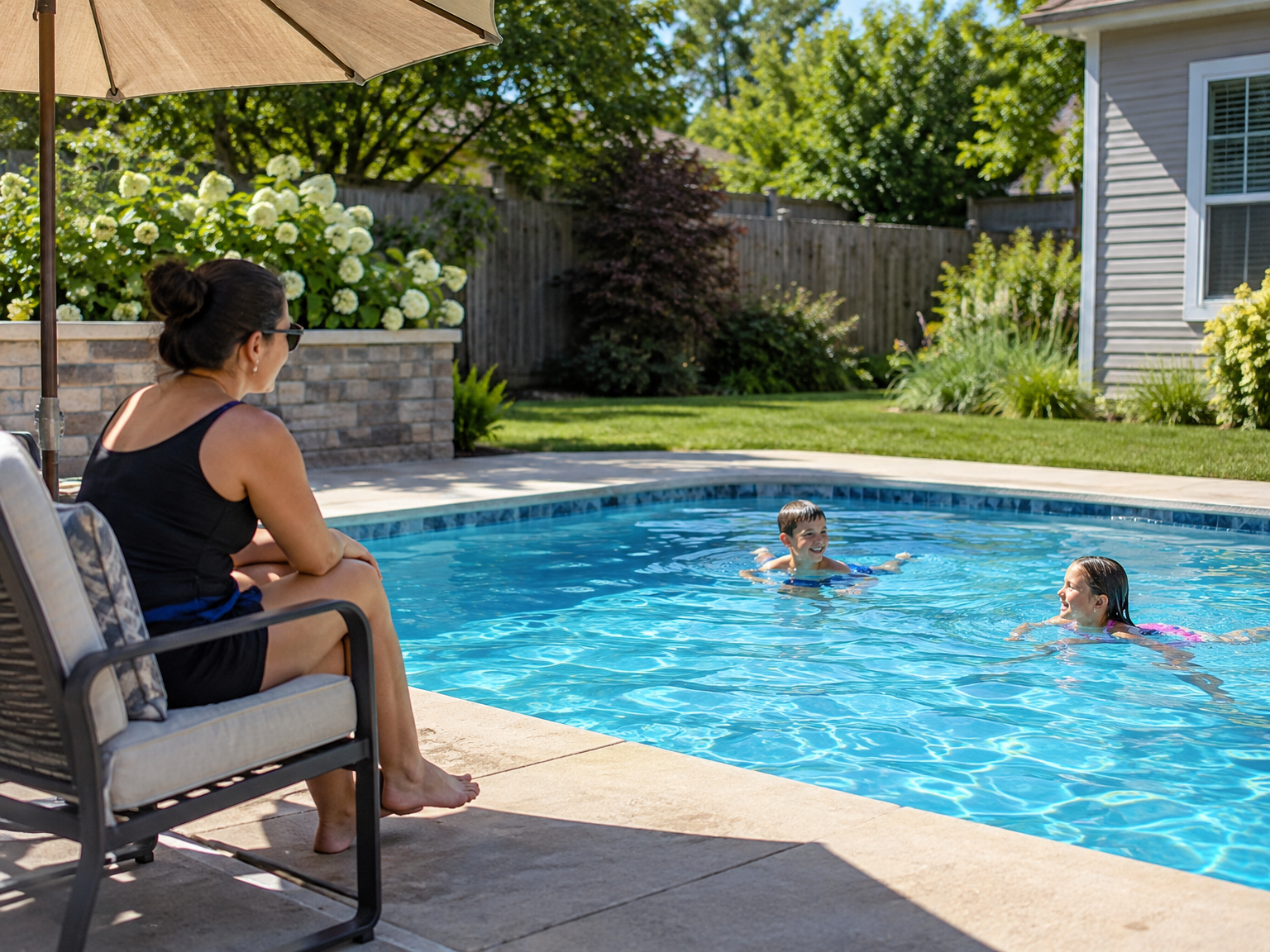
The booking guest should identify a specific responsible adult or water watcher before the reservation begins. That adult should watch swimmers directly, remain sober, avoid phones and other distractions, and arrange a clear handoff whenever they need a break instead of assuming someone else will take over.
“Parents will supervise” is usually too vague for a group booking. Parents may be talking, eating, caring for another child, or rotating in and out of the pool area. Naming a person makes the expectation easier to understand and gives the host something concrete to confirm at arrival.
The water watcher does not have to be the host unless the host has specifically agreed to provide supervision. In many cases, the booking guest is the person best positioned to organize the group. The host should not imply that listing the pool includes a lifeguard or professional supervision when it does not.
A practical handoff might be as simple as one adult telling another, “You are watching the pool while I step inside.” The next adult should be ready and looking at the water before the first person leaves. If no replacement is available, pool use should pause.
Supervision becomes more demanding when children are very young, guests are non-swimmers, or a person has a medical condition that may affect water safety. The CDC identifies certain medical conditions, including seizure disorders, as reasons for additional precautions. Hosts do not need to diagnose guests, but they can require the booking guest to plan appropriate supervision.
Alcohol is another point to address plainly. The CDC and Red Cross advise against alcohol use while supervising swimmers. A host may prohibit alcohol entirely or require a sober water watcher, depending on the property rules and local advice. Either way, the rule should be visible before the booking rather than introduced only after someone arrives.
What should a private pool rental responsibility statement say?
A responsibility statement should set practical expectations without pretending to transfer every legal duty to the renter. It should identify the approved guest count, supervision plan, pool hours, prohibited conduct, and the response if the group ignores the booking rules.
A useful statement can address six points:
- Approved guest count. State the maximum number of people allowed and explain that children, spectators, non-swimmers, and people using the deck or yard are included if that is your rule.
- Children and non-swimmers. Tell the booking guest that children and non-swimmers must remain under close adult supervision whenever they are in or near the pool.
- Designated supervision. Require the booking guest to name a sober adult water watcher and arrange a handoff before that person takes a break, leaves the area, or becomes distracted.
- Pool-use hours. List the exact time when pool access begins and ends. Explain whether early arrival, late departure, or continued use after the reservation is allowed.
- Prohibited conduct. Include rules that fit the property, such as no unsafe diving, no glass near the pool, no running, no unauthorized guests, and no alcohol use by the person supervising swimmers.
- Response to ignored rules. Explain that the host may pause pool use, refuse entry to extra guests, require the group to correct the problem, reschedule, cancel, or end the reservation according to the stated policy.
Keep the wording direct. “The booking guest must keep the group within the approved headcount and assign a sober adult water watcher whenever children or non-swimmers are in or near the pool” is clearer than “Guests are responsible for safety.”
A statement is not the same as a waiver, and it is not a guarantee of legal protection. It does not excuse an unsafe property, replace supervision, or automatically make the renter legally responsible for every accident. For more ideas on wording, see this guide to clearer private pool rental rules.
What should a host do when extra guests or supervision problems appear?
When the group exceeds the booking terms or no responsible adult is watching, the host should focus first on stopping unsafe pool use. Compare the actual situation with the written rules, speak directly with the booking guest, and follow the response policy already provided instead of improvising a legal remedy.
- Pause pool use when necessary. If children are in the water without a clear supervisor, ask everyone to leave the pool until a responsible adult takes over. If the group refuses, follow the property’s emergency or incident procedures and seek appropriate help when needed.
- Compare the group with the booking terms. Count the people actually present, including those who are not swimming if your rule includes them. Check whether the problem is extra attendees, an unapproved time extension, a missing water watcher, or several issues at once.
- Speak directly with the booking guest. Explain the specific problem without arguing about general safety. For example, say that the reservation allows a certain number of attendees and requires a sober adult water watcher, but the current group does not meet those terms.
- Follow the stated response policy. Depending on your written terms and local rules, you may refuse extra guests, ask the group to reduce its size, reschedule, cancel, or end the booking. Do not claim that one remedy applies everywhere or that a platform rule eliminates the host’s legal responsibilities.
Document the basic facts after the incident, including the time, headcount, messages, and steps taken. Avoid taking unnecessary photos of children or sharing private information. Good records help you review whether the listing, booking questions, or arrival instructions need improvement.
A host should also avoid handling a tense situation alone if the group becomes threatening. Prioritize personal safety, keep communication factual, and use appropriate emergency services when there is an immediate danger. A guest-count dispute should never become a confrontation at the pool.
How can Parking Mate help hosts make pool booking rules clearer?
Parking Mate lets hosts list pool spaces, set availability, and control access rules. Hosts can use listing details and booking instructions to state the maximum guest count, supervision expectations, pool hours, and arrival requirements, but Parking Mate does not count guests, inspect pools, or supply lifeguards.
A scheduled booking gives the host a natural point to confirm the plan. Before the start time, send or repeat the approved headcount, the name of the water watcher, and any restrictions about alcohol, glass, diving, pets, or access to parts of the property.
Hosts control their own calendar, so the available hours can match the time they are willing to have guests on the property. That does not mean the platform automatically monitors who arrives or ends pool use when the reservation expires. The host still needs a practical access and departure process.
Parking Mate is a marketplace connecting people with unused spaces and people looking to book them. It is not an insurer, lawyer, safety inspector, or pool-management service. A host remains responsible for checking whether the property is suitable for paid use and whether the listing rules match local requirements.
Renters who want to review available spaces can browse private pool listings, while hosts can use the listing process to explain what the reservation includes. Clear information before booking is more useful than a long set of warnings delivered after the group arrives.
What local and insurance checks still matter for a private pool rental?
Pool fences, gates, alarms, permits, occupancy rules, and rental requirements vary by location. The CPSC barrier guidance and CDC aquatic guidance are not automatically private-rental law. Hosts should ask local authorities and their insurer how paid pool use, alcohol, business activity, and liability coverage are treated.
Check with the local building department, health department, or another appropriate authority about requirements for the property. Questions may include whether a four-sided barrier is required, whether gates must self-close and self-latch, whether alarms or inspections apply, and whether short-term paid pool use needs approval.
The CPSC’s residential pool barrier guidance explains the safety role of barriers, but the document is not itself a universal federal pool-rental code. Similarly, the CDC’s Model Aquatic Health Code concerns public aquatic venues and does not automatically establish the rules for a private backyard rental.
Insurance deserves a separate conversation. The NAIC advises homeowners to ask their insurer how a pool affects coverage, safety requirements, premiums, and liability protection. Paid use may raise additional questions about business activity, injuries to renters, alcohol, extra attendees, and whether a standard homeowners policy applies. Read the NAIC pool coverage guidance and discuss your actual plans with the carrier.
Do not assume that a responsibility statement, renter acknowledgment, or platform booking removes the host’s obligations. Those tools clarify expectations, but they do not guarantee coverage or eliminate the need for safe conditions and appropriate supervision. A local attorney or qualified insurance professional can address questions that depend on your property, policy, and jurisdiction.
Related reading
Frequently asked questions
Should a private pool rental guest limit include people who are not swimming?
Usually, the host should define the limit for everyone on the rental property or pool area, including children, spectators, non-swimmers, and people using the deck or yard. The listing should say exactly who counts.
Who is responsible for supervising children during a private pool rental?
The booking guest should identify a specific responsible adult or water watcher. That person should watch swimmers directly, stay sober, avoid distractions, and arrange a handoff before taking a break.
Can a pool fence replace adult supervision?
No. A four-sided fence and a self-closing, self-latching gate add protection, but CDC and CPSC guidance treats barriers as another safety layer, not a replacement for close adult attention.
What should a host do if a renter brings extra guests?
Pause pool use if necessary, compare the actual group with the booking terms, speak with the booking guest, and follow the refusal, cancellation, rescheduling, or end-of-booking policy stated in advance.