
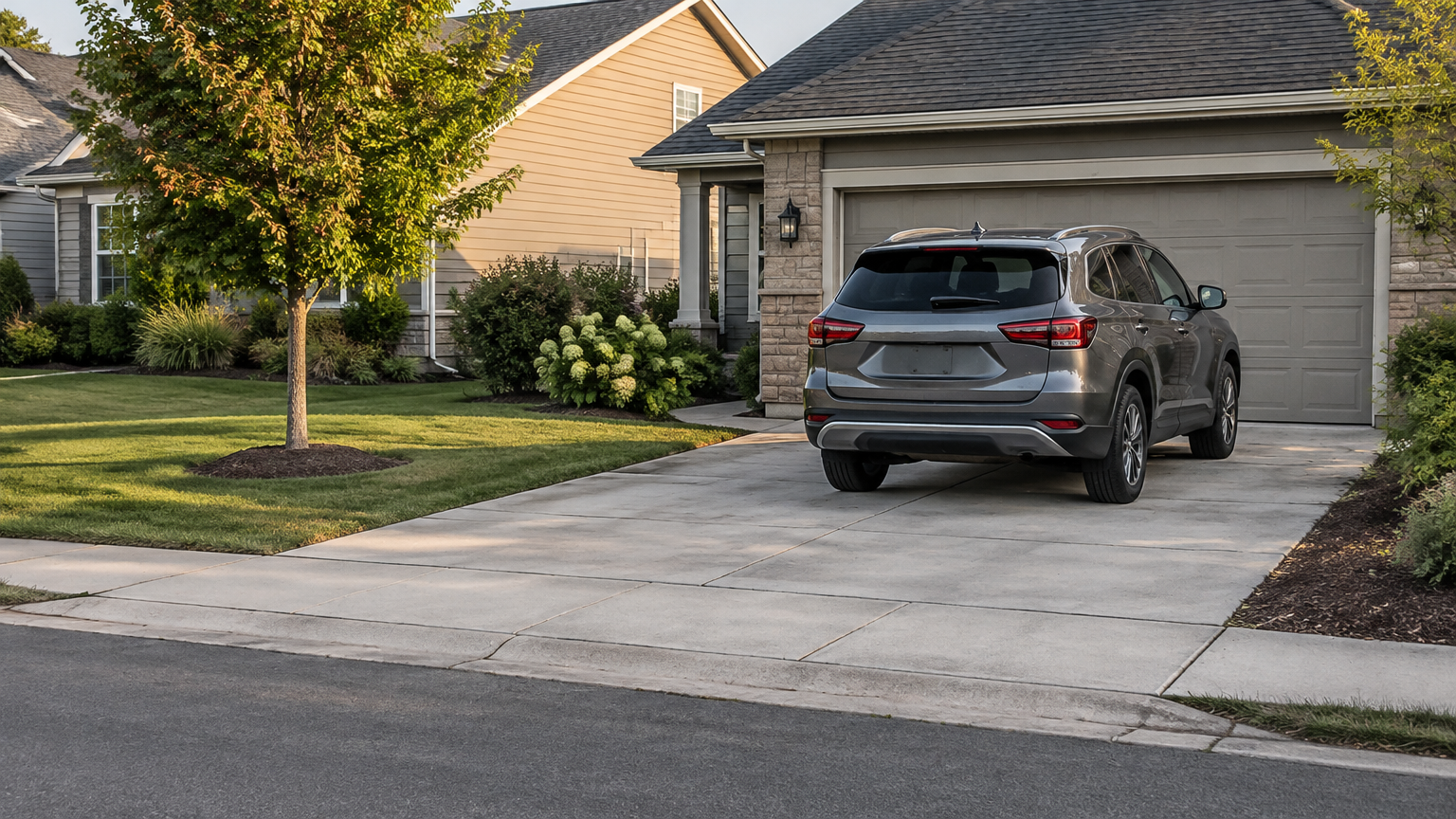
What does private overflow parking mean for airport trips and events?
Private overflow parking is temporary use of a privately controlled driveway, garage, lot, or eligible space when official airport, venue, or nearby parking is limited or inconvenient. A private listing is not automatically airport-approved or venue-authorized, and access depends on the host’s stated rules and availability.
For a traveler, the arrangement might involve leaving a vehicle for several hours, overnight, or multiple days while flying. For an event attendee, it may provide a reserved place during a concert, game, festival, conference, parade, or similar gathering.
The word “private” describes who controls the space, not a guaranteed level of convenience. A host may offer a driveway, assigned parking spot, garage, or lot, but each listing has its own limits. The location, walking route, surface, lighting, gate access, and overnight policy all need to be reviewed before booking.
Event parking also works best as part of a larger transportation plan. The Federal Highway Administration’s event parking guidance discusses public, reserved, overflow, and pickup or drop-off areas as parts of event access planning. A private space may fit into a driver’s personal plan, but it does not replace instructions from the airport, venue, or local transportation authorities.
When might private overflow parking fit an airport trip or event plan?
Private overflow parking may fit when official lots are full, venue parking is limited, or a driver wants to arrange a space before a busy travel or event day. The right choice depends on the listing’s location, access details, booking window, vehicle fit, and the rules set by the host.
Airport and event parking have different timing pressures. An airport traveler may need a space during a long trip and may care more about overnight access, early arrival, and returning after several days. Someone attending a game or concert may need parking for a narrower window but face heavy traffic before and after the event.
A driver might consider a private space when:
- Airport parking options are unavailable or difficult to reserve.
- A venue’s normal parking supply is limited for a popular event.
- The trip requires a space for more than a few hours.
- The driver wants to arrange parking before reaching a busy area.
- A nearby private driveway or lot has access rules that fit the schedule.
That does not make private parking automatically cheaper, closer, safer, or easier than official parking. Some airports offer advance reservations, while others use different systems, restrictions, or access arrangements. Venue parking may include staff, shuttles, controlled entrances, or pedestrian routes that a private listing does not provide.
The most useful approach is to compare the complete arrangement rather than just the parking location. Look at the total booking cost, permitted stay, walking route, arrival instructions, and what happens if your flight or event schedule changes.
What should drivers check before booking a private parking space?
A good booking starts with details that match the vehicle and the trip. Check the exact time window, space dimensions, entry instructions, walking route, and overnight or access restrictions. Review the complete listing and all fees before confirming, especially when leaving a vehicle during a multi-day trip.
- Confirm the arrival and departure window.
Check the start and end times shown in the listing. An airport trip may begin before sunrise or finish late at night, while an event can run longer than expected. Make sure the booking covers the time you actually need, not just the scheduled start of a flight or event.
- Check the vehicle size and space fit.
Compare your vehicle with the host’s description. A large SUV, van, truck, or vehicle with a roof carrier may need more room than a standard sedan. Look for information about width, height, turning space, garage clearance, and whether backing into the space is required.
- Read the entry and exit instructions.
Find out where to enter, which part of the driveway or lot to use, and whether a gate, key, code, attendant, or host interaction is involved. Do not assume that a private space provides 24-hour access or that you can enter through any visible opening.
- Review the route and listed site details.
Check the walking route to your destination and read any information about pavement, stairs, lighting, slopes, or crossing busy roads. A space that works for a daytime event may feel different after a late flight or nighttime departure.
- Check overnight and access restrictions.
Confirm whether the vehicle may remain overnight, whether you can return early, and whether anyone needs to move the vehicle during the booking. Also review cancellation, timing, and fee information displayed before you confirm.
Parking Mate lets renters search available parking spaces and review the listing before booking. The platform does not change the host’s physical access rules, so save the instructions and keep the booking details available for the trip.
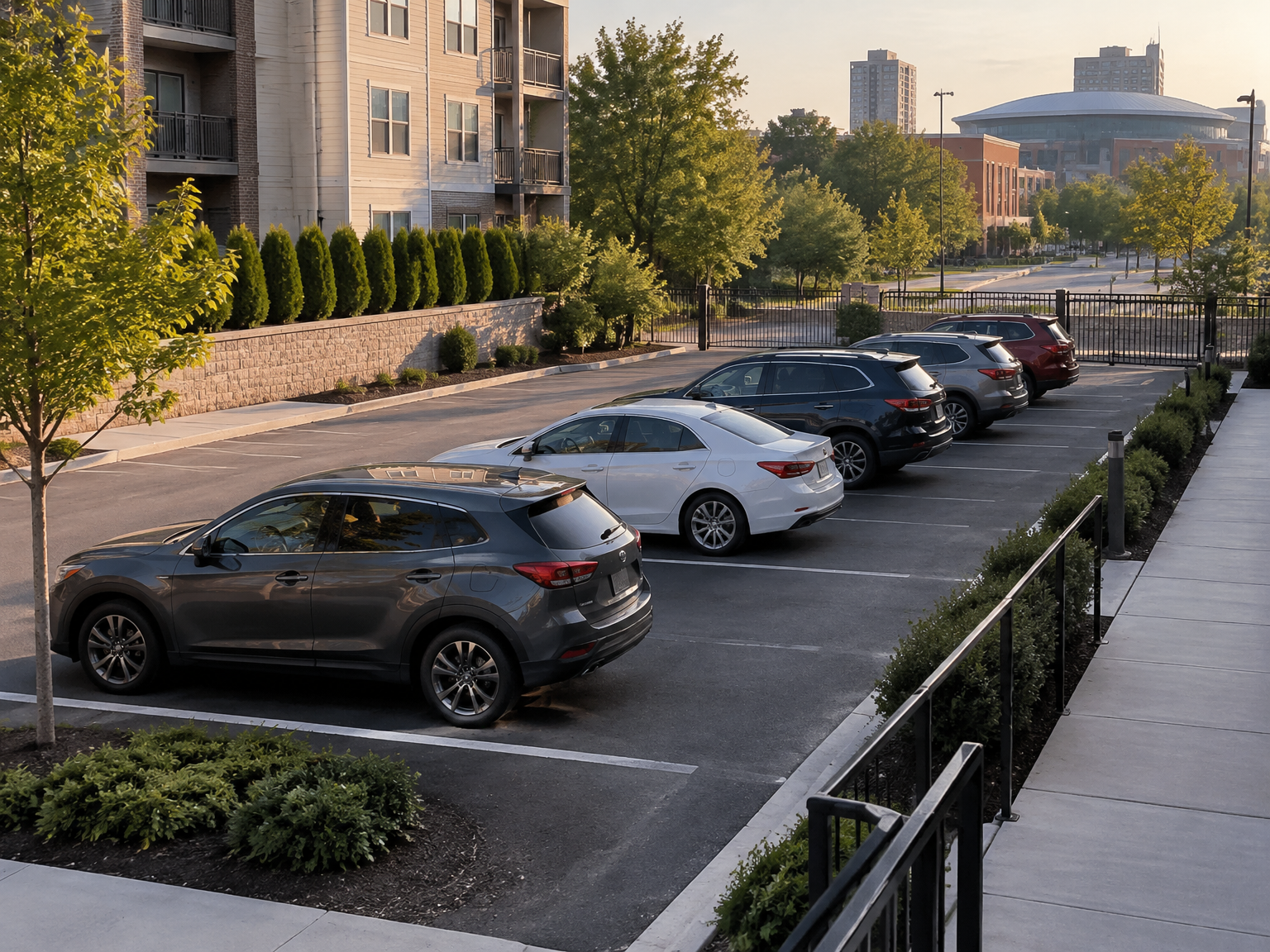
How should airport and event bookings handle arrival and departure timing?
Timing deserves extra attention because flights and events create fixed deadlines, while traffic can change the actual arrival or departure. Confirm the permitted booking window, early arrival rules, delayed return procedure, and access plan for congestion before you leave for the airport or venue.
- Confirm the permitted booking window.
Use the listed start and end times as the basic access agreement. If your flight leaves at noon, you may need to arrive well before noon. If an event starts at 7 p.m., plan for entry traffic, walking time, and any venue screening rather than booking only from the event’s start time.
- Ask about early arrival.
An early flight, long security line, or heavy event traffic may tempt you to arrive sooner. Do not assume early entry is allowed. If the space has another booking, a gate schedule, or a host who needs time to prepare, arriving early could create a conflict.
- Clarify late departure or delayed return procedures.
Flight delays, cancellations, extended events, and post-event congestion can push a return past the booking end. Review the host’s instructions for an extension or late departure. If the listing does not explain what to do, contact the host through the booking process before the scheduled end time when possible.
- Plan for traffic disruptions and restricted access.
Special events may involve detours, lane closures, pedestrian crowds, or temporary limits around an event venue. FHWA notes that event traffic plans need to consider parking access and movement on nearby streets. Leave enough time to reach the space, and follow official airport or venue directions when they conflict with a general route.
A booking window is not the same as a promise that the road will be clear. Drivers remain responsible for checking current airport, venue, and local traffic information. Hosts can reduce confusion by giving instructions that explain where drivers should wait, turn around, park, and walk after arrival.
How can a host prepare private space for short-term overflow parking?
Hosts can make short-term parking easier to use by showing the actual space, controlling the calendar, explaining access, and keeping vehicles and pedestrians separated. Preparation also includes checking local rules, neighboring driveways, sidewalks, emergency access, and any property agreement that limits paid parking.
- Show accurate photos and boundaries.
Photograph the parking surface, entrance, turning area, and surrounding boundaries from useful angles. Make clear which part of a driveway or lot belongs to the booking. Do not describe a space as suitable for a vehicle that cannot enter, turn, or remain fully within the permitted area.
- Keep the calendar current.
Block off dates when the space is unavailable for personal use, maintenance, guests, construction, or another booking. Event and airport renters often plan around fixed schedules, so an outdated calendar can create avoidable access problems.
- State vehicle and access rules plainly.
Include vehicle size limits, gate hours, surface conditions, permitted entry points, and whether drivers may leave keys in the vehicle. If the space is not suitable for trailers, oversized vehicles, or commercial vehicles, say so in the listing.
- Write arrival and departure instructions.
Tell renters where to turn, which space to use, and how to leave without blocking another vehicle. Include the expected departure process, overnight terms, and what renters should do if they cannot reach the space on time. Clear instructions matter even more when a booking begins or ends outside normal daytime hours.
- Check safe movement around the property.
Keep sidewalks, fire access, sight lines, neighboring driveways, and emergency routes clear. Think about how several vehicles would enter and leave during event traffic. A private lot may need a simple flow plan so cars do not queue across a public street or force pedestrians into moving traffic.
Hosts can prepare a space to list with photos, availability, pricing, and access rules that reflect the real property. A listing should describe what is available, not imply airport or venue approval that the host has not independently confirmed.
How does private overflow parking compare with airport or venue parking?
Private overflow parking and airport or venue parking differ mainly in who controls the space, how access is arranged, and what services or approvals may apply. Neither option is automatically better in every situation. Compare the actual booking details, total cost, walking route, amenities, and restrictions for your trip.
| Decision factor | Private overflow parking | Airport or venue parking |
|---|---|---|
| Who controls the space? | A private host or property operator controls availability and access rules. | The airport, venue, or its designated operator controls the facility and policies. |
| How do reservations work? | Availability, price, and booking times depend on the individual listing. | Reservation systems and payment rules vary by airport or venue. |
| What instructions are provided? | The host may provide directions, parking boundaries, gate information, and walking details. | The facility may provide marked entrances, signs, staff instructions, or established traffic routes. |
| How is proximity established? | The renter must review the actual listing location and route. No general proximity should be assumed. | The facility is connected to the airport or venue according to that operator’s access plan. |
| What amenities may exist? | Only the features stated in the listing should be expected. | Some facilities may offer services such as shuttles, attendants, lighting, or controlled access, but policies vary. |
| Does airport or venue authorization apply? | A private listing is not automatically airport-approved or venue-authorized. | The facility is operated or designated by the relevant airport or venue, subject to its policies. |
| What local restrictions matter? | Hosts may need to check zoning, permits, property agreements, insurance, and traffic rules. | The operator manages its facility under applicable airport, venue, and local rules. |
Private parking can be useful when the listing’s instructions and schedule fit the driver’s needs. Official parking may be preferable when a traveler wants airport-controlled access or a venue’s established transportation plan. Read the specific policies instead of relying on a broad assumption about either option.
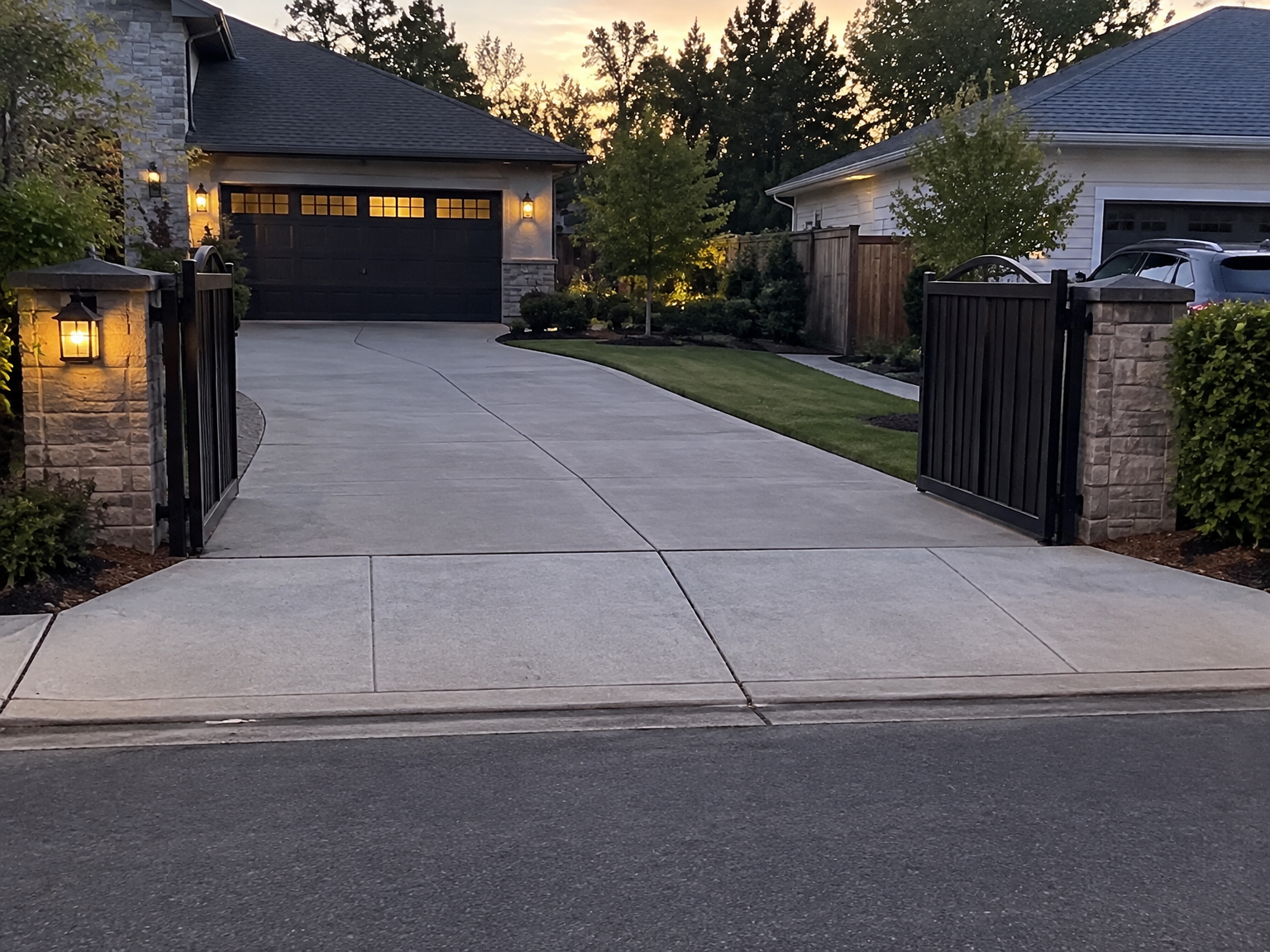
What local rules should hosts check before offering paid overflow parking?
Hosts should check local rules before accepting paid airport or event parking because zoning, temporary parking permits, signage, driveway use, traffic access, and property agreements vary by location. Insurance questions and accessibility obligations may also depend on the property type and how the parking is offered.
Start with the city or county, especially when an event is expected to bring a large number of vehicles. FHWA guidance notes that some jurisdictions may require permission for private land used for paid event parking, but that is not a universal rule for every driveway or lot.
A host may need to look into:
- Zoning and permits: Commercial activity, temporary paid parking, event parking, driveway use, and signs may be regulated separately.
- HOA, condo, lease, or landlord rules: Private agreements may limit short-term commercial use, guest vehicles, or access by people who do not live at the property.
- Insurance questions: Ask an insurance provider whether paid parking creates coverage or liability concerns. Parking Mate is not an insurer and does not provide insurance coverage.
- Traffic and pedestrian safety: Do not block sidewalks, fire lanes, emergency access, neighboring driveways, or safe sight lines.
- Accessibility: If a space is part of a covered public-facing parking facility, specific obligations may apply. ADA.gov’s accessible parking guidance explains that requirements depend on the facility and how it is provided. A residential driveway should not automatically be treated exactly like a public garage.
- Tax questions: There is no single nationwide tax rule presented here for short-term private parking income. Hosts should ask a qualified tax professional about their own situation.
Airport authority rules also matter. A private space should not be marketed as airport-operated, airport-approved, or authorized to serve airport passengers unless the relevant airport confirms that status. The same caution applies to claims about venue partnerships, shuttle service, attendants, or guaranteed access.
How can Parking Mate support short-term airport and event parking plans?
Parking Mate connects renters with hosts who list unused driveways, garages, lots, and other eligible spaces. Renters search listings, review details, select dates, book, pay through Stripe, and follow the host’s arrival instructions. Hosts control availability, pricing, and access rules for the space they list.
That setup can support different schedules. A host may choose hourly or monthly pricing and make a space available on selected dates. A renter might need parking for an event, a full day, or several days of airport travel. The listing determines whether the space fits the intended use.
Parking Mate is a marketplace, not an airport or venue operator. It does not establish that a space is close to a terminal, approved by an airport authority, partnered with a venue, or equipped with a shuttle. Renters should evaluate the exact address, route, access instructions, and booking terms shown for the space.
Hosts can review how to rent out a driveway before creating a listing. Listing is free, hosts set their own rates, and the published host processing fee is 3.9% plus $0.30 per booking, deducted from the host payout. Renters pay a 10% service fee on the booking subtotal, with applicable fees shown before confirmation. More detail is available on the Parking Mate pricing page.
For either side, the basic planning rule is simple: match the space to the schedule, describe access honestly, and confirm local requirements before relying on private overflow parking for an airport trip or major event.
Related reading
Frequently asked questions
What is private overflow parking?
Private overflow parking is temporary parking on a privately controlled driveway, garage, lot, or other eligible space when official, airport, venue, or nearby public parking is limited or inconvenient.
Can I use a private driveway for airport parking?
You may be able to book a private driveway for airport-related parking when the listing allows it and the space fits your vehicle and dates. Check the host's instructions, access rules, overnight terms, and local restrictions.
What should I confirm before booking event overflow parking?
Confirm the exact booking window, vehicle fit, entry and exit instructions, walking route, surface and lighting details listed by the host, and what happens if event traffic delays your arrival or departure.
Does Parking Mate authorize a space for airport or venue parking?
No. Parking Mate connects renters with hosts who list eligible spaces, but a listing is not automatically airport-approved or venue-authorized. Renters and hosts must review the listing and check applicable local rules.