
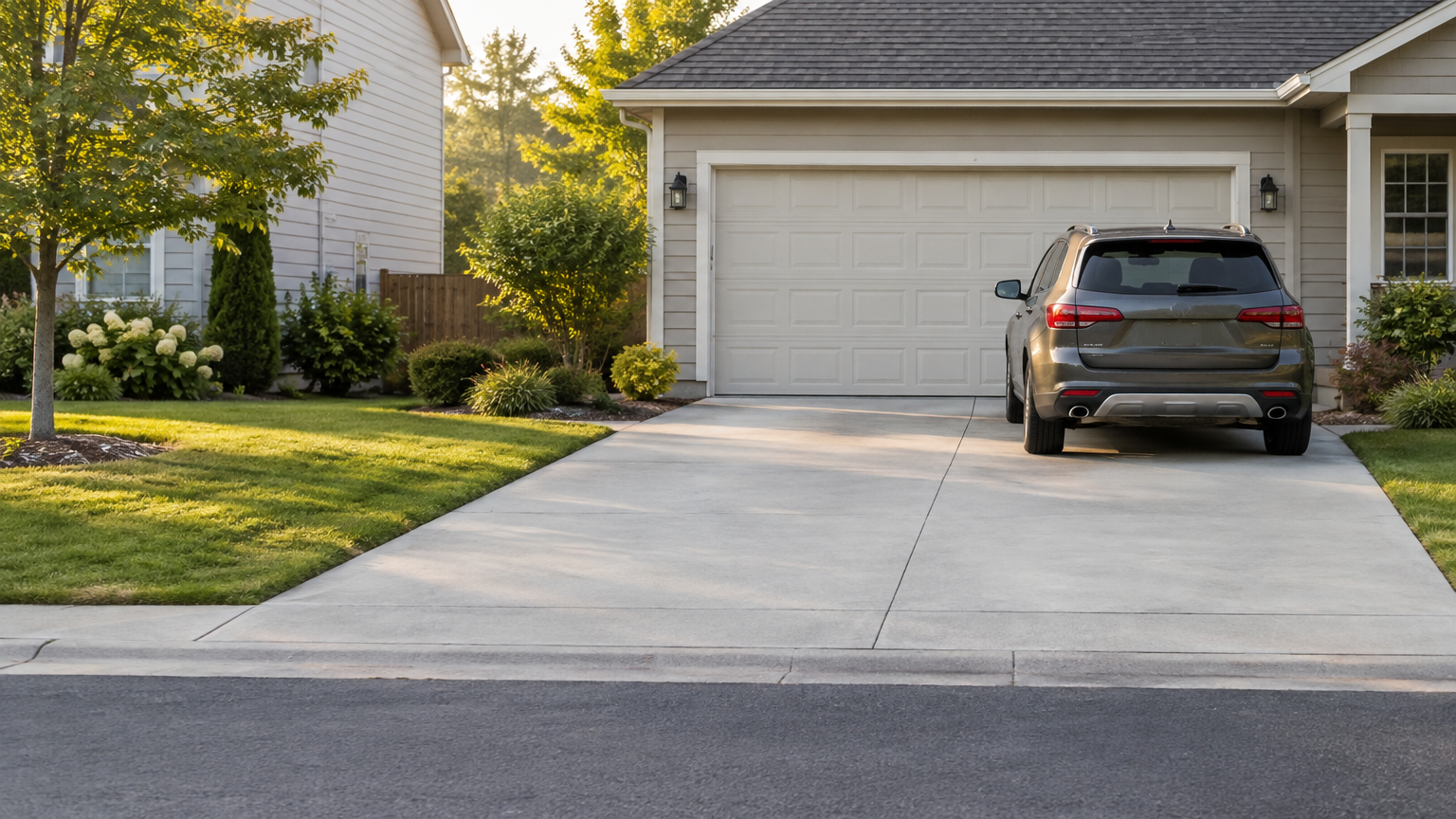
What is the difference between HOA rules and local property requirements?
HOA rules are private restrictions created by a homeowners association, while local property requirements come from public authorities such as a city or county. An HOA may regulate property use through CC&Rs and bylaws. Local officials address zoning, licensing, building, fire, driveway, and related public rules.
The two systems can affect the same driveway, garage, lot, or storage area, but they do not come from the same source. An HOA’s declaration, covenants, conditions and restrictions, bylaws, and rules govern the relationship between the association and the people covered by its documents. Local ordinances apply through public law and may depend on the property’s address, zoning district, physical layout, and intended use.
| Question | HOA rules | Local property requirements |
|---|---|---|
| Who creates them? | The homeowners association and, in some cases, the community’s recorded governing documents | City, county, or other public authorities |
| Where do you find them? | Declaration or CC&Rs, bylaws, rules, parking policies, architectural guidelines, and notices | Zoning code, municipal ordinances, permit pages, licensing rules, and department guidance |
| What might they address? | Rentals, commercial activity, parking, guests, storage, traffic, noise, exterior changes, and approval procedures | Zoning use, business registration, driveway access, paving, drainage, building, fire, vehicle size, and local permits |
| Who enforces them? | The association under its governing documents and applicable state law | Public agencies under local ordinances and administrative procedures |
| Does approval satisfy the other system? | No. HOA approval does not establish local approval | No. Local permission does not remove a private HOA restriction |
The California Attorney General explains that HOA CC&Rs can set community-specific rights, responsibilities, limits, and remedies, and that documents differ from one association to another. The SBA’s local guidance likewise notes that zoning and permit rules depend on the location and activity. Treat HOA approval and local approval as separate questions, not two names for the same permission.
Which HOA documents should you review before hosting a space?
Start with the complete set of community documents, not just a quick search for the word “rental.” Review the recorded declaration, CC&Rs, bylaws, operating rules, parking policies, architectural guidelines, and enforcement procedures. The exact wording may determine whether a driveway, garage, lot, or storage use is restricted.
- Declaration or CC&Rs: Look for limits on leasing, business activity, commercial use, parking, storage, guests, nuisance, noise, and traffic. A restriction on renting a home may not automatically answer whether renting a separate driveway or garage is allowed.
- Bylaws and operating rules: These documents may explain how the association makes decisions, issues notices, handles hearings, or requires owner cooperation. They may also add day-to-day rules that are not fully described in the declaration.
- Parking and guest policies: Check rules about assigned spaces, visitor parking, vehicle registration, access gates, overnight parking, loading, trailers, recreational vehicles, and use by people who do not live in the community.
- Architectural and exterior-use guidelines: Hosting may raise questions if you plan to add signs, lighting, fencing, gates, pavement, access controls, cameras, or other exterior changes. A physical improvement can require review even when the underlying use is permitted.
- Approval and enforcement procedures: Find out whether written approval is required, which board or manager handles requests, how decisions are documented, and what happens after an alleged violation. Keep copies of your request and any response.
The South Carolina Department of Consumer Affairs guidance describes declarations, master deeds, bylaws, and rules as HOA governing documents that may limit how owners use property. If the language is unclear, ask the association for a written interpretation rather than relying on a neighbor’s experience or an informal conversation.
Which local rules might apply to a driveway, garage, lot, or storage area?
Local review depends on the property, zoning district, activity, and booking pattern. Ask the city or county whether the proposed use is allowed and whether any registration, permit, driveway, building, fire, public works, or tax-related step applies. Do not assume that every host needs a permit, or that none do.
The first contact is often the local planning or zoning department. Explain the activity plainly: for example, occasional parking in a residential driveway, monthly storage in a garage, outdoor vehicle storage on a lot, or event-related parking. Ask how the office classifies that use and whether the answer changes based on vehicle size, frequency, booking length, or the number of renters.
Other questions may include:
- Is the activity treated as residential use, a home occupation, commercial parking, storage, or another use?
- Does the driveway meet rules for access, curb cuts, paving, drainage, or sight lines?
- Are there limits on outdoor storage, trailers, boats, recreational vehicles, or oversized vehicles?
- Would lighting, fencing, gates, signage, or surface improvements need separate review?
- Does the city or county require a business license, local registration, or tax filing?
- Could a garage or indoor space raise building, fire, occupancy, ventilation, or access concerns?
The SBA explains that location affects zoning and that local requirements vary by business activity and place. That guidance is useful because space hosting does not have one nationwide classification. A local official may need details about the exact property and intended use before giving a meaningful answer.
Why does the type of space change the compliance questions?
A driveway, garage, lot, indoor area, and outdoor space can create different review questions because each has a different physical setup and likely use. Parking mainly raises access and vehicle issues, while storage or indoor hosting may also involve structure, fire, occupancy, surface, drainage, and security concerns.
A driveway or assigned parking space may require attention to access, curb cuts, vehicle movement, guest rules, and whether renters can enter without blocking sidewalks or neighboring property. HOA parking policies can matter even when the city has no objection.
A garage may be treated differently from an open parking space. Renting it for vehicle parking or storage could raise questions about access, fire safety, building use, ventilation, contents, or whether modifications are planned. Do not assume that a rule about renting the home answers every question about renting the garage separately.
Lots and outdoor spaces may require a closer look at surface conditions, drainage, fencing, lighting, traffic, vehicle size, and the length of storage. A lot used for an RV, boat, trailer, or other large vehicle may have rules that do not apply to an ordinary passenger car.
Event-style bookings can change the practical review even if the space is normally quiet. Temporary increases in traffic, arrival times, noise, or curb activity may matter to an HOA, neighbor, or local office. For any space type, describe the real use rather than using a broad label such as “renting property.”
What happens if the HOA allows hosting but local rules do not?
Private approval does not create public permission. If an HOA says hosting is acceptable but the city or county does not allow the proposed use, the host should pause and get location-specific guidance before listing. The reverse also matters: local permission does not cancel a private restriction in the HOA documents.
Rules can also be more complicated than a simple yes-or-no answer. A community might allow some parking but restrict commercial activity, outside access, overnight stays, signage, or recurring bookings. A local office might allow parking but require a registration, physical change, or separate approval for storage.
State law may affect how an association adopts or enforces rental restrictions. Utah, for example, publishes specific guidance about community rental restrictions, but that is a state-specific example, not a rule for every homeowner in the country. The Utah HOA homebuyer checklist advises reviewing association restrictions separately from city or county requirements.
If the association threatens enforcement, the documents conflict, or the proposed use involves construction or substantial traffic, consider advice from a local attorney or another qualified professional. Parking Mate is not a lawyer, zoning office, insurer, or tax advisor, and a listing being available on a marketplace is not proof that the activity is approved.
What should you do before listing unused space for rent?
A careful review starts with the exact space and intended use, then checks private documents, public rules, and practical obligations. Written answers are especially useful when the language is vague. Keep your notes, documents, emails, and approvals together so you can explain what you checked.
- Identify the space and activity: Write down whether you plan to host a driveway, garage, assigned parking space, lot, indoor area, or outdoor space. Note whether bookings will be hourly, monthly, occasional, recurring, event-related, or used for vehicle storage.
- Read the governing documents and lease: Review the declaration, CC&Rs, bylaws, rules, parking policies, architectural guidelines, and enforcement provisions. If you rent the property, read the lease and get the property owner’s permission before listing.
- Contact the right local offices: Start with planning or zoning, then ask whether licensing, registration, building, fire, public works, driveway, or tax offices need to be involved. Give them the address and a specific description of the intended use.
- Collect written clarification and review related obligations: Save written responses from the HOA and local offices. Separately ask your insurer about coverage for paid parking, storage, vehicle access, or third-party use, and check applicable tax or registration questions with a qualified professional.
You can learn how to become a host after checking whether the activity fits your property and local situation. Parking Mate does not review HOA documents, obtain permits, determine zoning eligibility, provide insurance, or give legal or tax approval.
How can Parking Mate fit into the review process?
Parking Mate is a marketplace for unused driveways, garages, parking spaces, lots, storage areas, indoor spaces, and outdoor spaces. It fits after the host reviews applicable HOA, lease, local, insurance, tax, and registration questions. Hosts then describe the space, choose availability, set hourly or monthly rates, and provide access instructions.
A clear listing should match the use you actually checked. If you reviewed a driveway for vehicle parking, do not describe it as indoor storage. If you received approval for a particular schedule or vehicle type, include practical limits in the listing and access instructions.
Hosts control their listing details, availability, pricing, and access rules on Parking Mate. The platform connects hosts with renters, but it does not decide whether a space complies with an HOA, zoning ordinance, lease, building code, fire rule, insurance policy, or tax requirement.
For a practical explanation of the host process, see how Parking Mate works for hosts. Once your review is complete, accurate details can help renters understand where they will park or store an item and what conditions apply. If the rules remain unclear, resolve that question before publishing the space.
Related reading
Frequently asked questions
Does HOA approval mean I can legally host my driveway?
No. HOA approval addresses private community rules, while zoning, licensing, driveway, building, and other public requirements come from local authorities. Both review tracks may apply.
Can an HOA prohibit renting out a garage or parking space?
An HOA may have rules about rentals, commercial activity, parking, storage, guests, or property use, but the exact result depends on the governing documents and applicable state law.
Do I need a local permit to rent out unused space?
Not universally. Requirements vary by city, county, zoning district, property type, and intended use. Contact the relevant planning, licensing, building, fire, or public works office.
Can a tenant list a driveway or garage on Parking Mate?
A tenant should review the lease and obtain the property owner's permission before listing. HOA rules, local rules, insurance conditions, and lease terms may all affect the activity.