
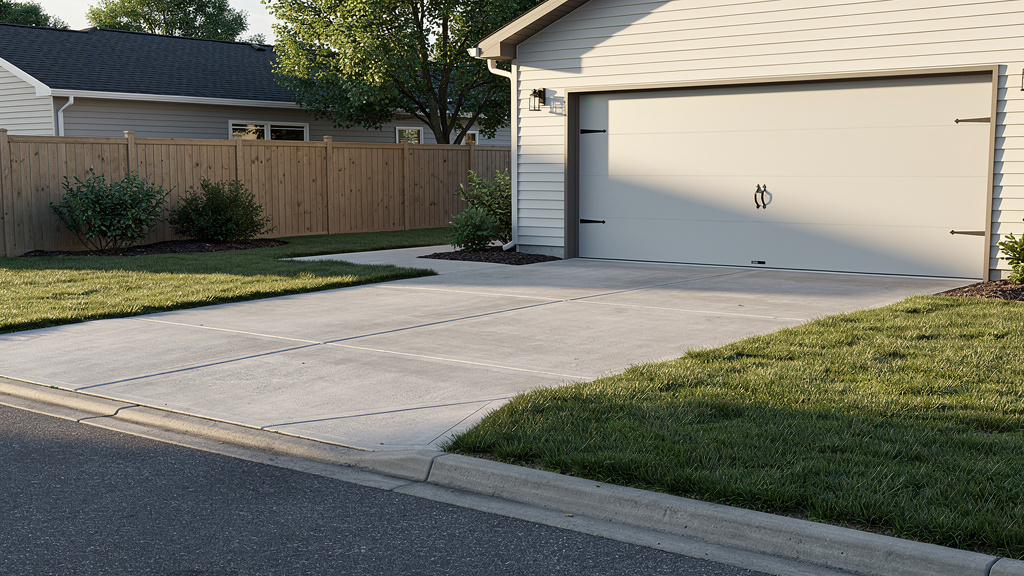
What should a private parking booking record include?
A private parking booking record is the information you save before confirming a reservation. It should include the listing, exact location, access method, vehicle-fit details, dates and times, permitted use, fees, cancellation language, and important host answers. Keeping these details together can prevent avoidable arrival, payment, and communication problems.
Think of the record as more than a screenshot of the parking space. Save the information that answers practical questions later:
- Where exactly do you enter?
- Will your vehicle fit the space and its approach?
- When may you arrive, leave, and return?
- What happens if your plans change?
- What did the host say that the listing did not explain?
A listing can change, photos may not show every obstacle, and a quick conversation can be easy to misremember. The Federal Trade Commission recommends reviewing marketplace terms, getting important answers in writing, and keeping copies of messages. Those are useful habits for a private parking reservation too. You can start by browsing available parking spaces, then create a simple note or folder for the booking you are considering.
Which listing and location details should you save?
Save the four details that identify what you are booking and how you will find it: the advertised address or arrival point, the current listing photos and description, the type and exact position of the space, and any visible restrictions or obstacles. Do not rely on an approximate map pin alone.
- Save the address and arrival location. Record the street address shown in the listing, along with any separate entrance, alley, driveway, or building information. If the host says to enter from a different street, save that instruction too. Compare the location with the neighborhood and destination you expect. The FTC also recommends checking that an advertised address exists when reviewing rental-type listings. See its guidance on rental listing scams for broader marketplace caution.
- Save the listing as it appears before booking. Keep the photos, description, listed space type, available dates, price, and visible rules. A screenshot or downloaded copy can show what you relied on when making your decision. Make sure the images appear to show the actual driveway, garage, lot, or assigned spot rather than only a nearby street.
- Identify the exact space. Note whether the spot is in a driveway, garage, shared lot, tandem arrangement, alley, or assigned area. Write down its position, such as “left side of the driveway” or “second space behind the gate,” if that information is available. A listing may be near your destination but still be difficult to use if the actual parking area is not clearly identified.
- Record restrictions and visible obstacles. Look for mentions of towing, loading zones, resident permits, street cleaning, shared access, steep slopes, low branches, narrow entrances, storage items, or limited re-entry. Do not assume that a clear photo means the space will stay clear during your booking. Ask the host about anything that could affect arrival or departure.
Local zoning, HOA rules, lease terms, assigned-space restrictions, and towing policies can vary. You can ask whether the host has permission to offer the space and whether a building or neighborhood rule affects your use. That question is useful, but a listing alone does not prove the host has every required approval.
How can you document access instructions and vehicle fit?
Practical checks should cover the entry point, gate or permit process, access hours, re-entry, usable dimensions, and clearance. Garage openings, turning room, slopes, tandem spaces, and large-vehicle limits may matter just as much as the marked parking area, so photos alone are not enough.
- Write down the entry point. Ask which driveway, gate, alley, door, or lot entrance you should use. Confirm whether the parking space is reached from the address shown or from a side or rear entrance. If the arrival route is confusing, request a simple description before booking.
- Save gate, permit, and key instructions. Record whether you need a code, remote, key, hangtag, building pass, or host handoff. Ask where a permit should be displayed and what to do if a gate does not open. Avoid storing sensitive access information in a public note, but keep the instructions available for your arrival.
- Confirm access hours and re-entry. A space may be available for the date you select but still have restrictions on late arrival, overnight access, or leaving and returning. Ask whether you may come and go during the reservation. For event parking, confirm the latest practical arrival time and whether you can retrieve your vehicle after the event.
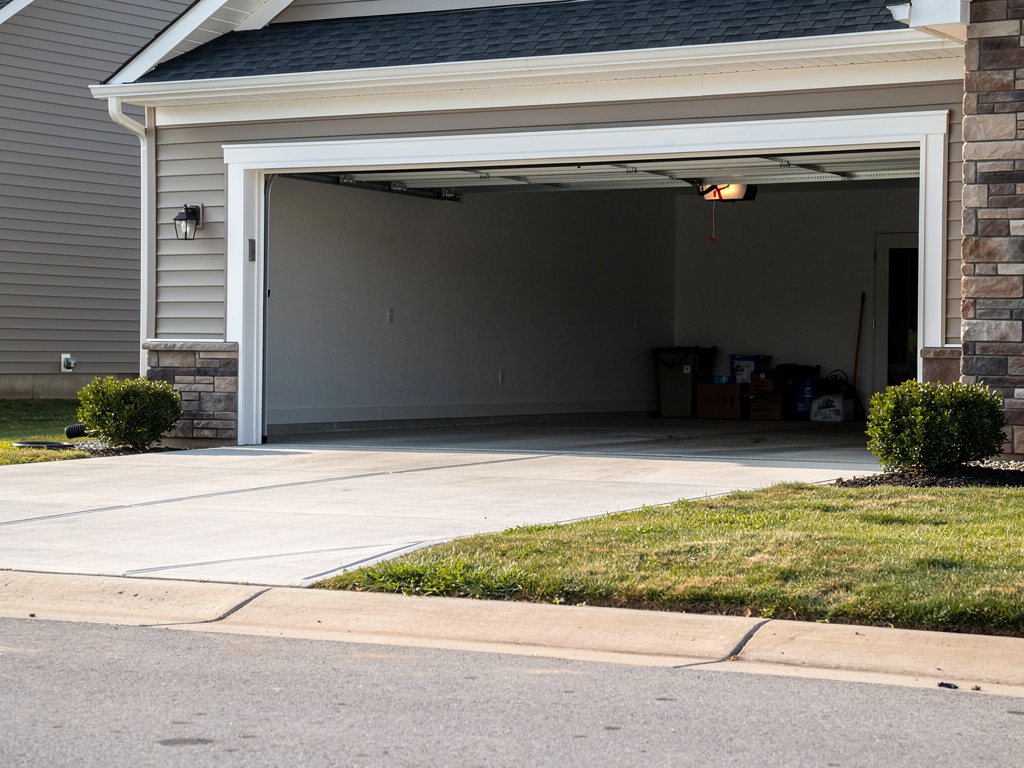
- Compare the space with your vehicle. Check your vehicle’s length, width, and height against the usable parking area. For a garage, ask about the door opening and interior clearance, not just the room inside. For a driveway, consider the width at the narrowest point, the slope, and whether another vehicle blocks part of the space.
- Check the approach and turning area. A vehicle may fit once parked but still be unable to reach the spot. Look for sharp turns, narrow alleys, curbs, low branches, steep grades, bollards, or a tandem layout. Large SUVs, trucks, vans, trailers, and other large vehicles may need extra room. Ask the host for measurements or current photos when the listing does not make these details clear.
Write down the host’s answer rather than relying on “it should fit.” No host or marketplace can determine vehicle fit from a general description without knowing the space, approach, and vehicle measurements. If your vehicle is unusually tall, wide, long, or low, explain that before you confirm.
Which booking, fee, and cancellation details should you record?
Keep the confirmed dates, arrival and departure times, recurring schedule, permitted use, booking subtotal, renter service fee, total shown before confirmation, cancellation deadline, and refund language. Cancellation rules are reservation-specific, so save the exact wording displayed for your booking instead of relying on a general assumption.
For a Parking Mate reservation, review the amount shown before you confirm. Parking Mate publishes a 10% renter service fee based on the booking subtotal, and hosts set their own prices and availability. You can review the published fee information, but the booking screen and applicable terms are the best record of the specific reservation.
Also save:
- The reservation dates and time zone, if relevant
- The planned arrival and departure times
- Whether the booking is hourly, monthly, recurring, or event-based
- The allowed use, such as parking only or another use stated by the listing
- The subtotal, service fee, and total
- The cancellation deadline and refund language
- Any fees or conditions connected to changes, late arrival, or early departure
Read the terms before sending payment. The FTC advises marketplace users to review refund rules, identify who handles problems, and keep records of important communications. Paying outside the marketplace can reduce protections that may be available through the marketplace’s payment system. For that reason, keep the booking and payment within the platform’s stated process, and be cautious if someone pressures you to use a wire transfer, gift card, cryptocurrency, or a separate personal payment arrangement.
Do not assume that a host’s verbal promise changes the cancellation policy. If the host agrees to a special arrangement, ask for the details in writing and save the response with the reservation information.
Which host messages should you keep in writing?
Written host messages are especially valuable when the listing leaves out an important detail. Keep answers about the entrance, access codes or permits, vehicle dimensions, overnight and return access, shared-space conditions, permitted use, local property rules, and what happens if the space is unavailable. A written answer is easier to review than a rushed phone conversation.
Useful questions to ask a parking host include:
- Is the listed address the actual arrival point?
- Which entrance should I use?
- Will I receive a gate code, permit, remote, or key?
- Can I leave and return during the booking?
- What are the usable length, width, and height clearance?
- Is the space shared, tandem, sloped, or difficult to turn into?
- Are overnight parking, storage, vehicle repairs, or commercial vehicles allowed?
- Are there HOA, lease, building, permit, or towing rules I should know about?
- What should I do if another vehicle occupies the space?
- Who should I contact if the space is inaccessible when I arrive?
Keep the original message thread, your questions, and the host’s replies together. The FTC recommends preserving marketplace communications and obtaining important answers in writing. That does not guarantee a refund or a particular dispute outcome, but it gives you a clearer record of what was advertised and discussed.
Avoid sharing unnecessary sensitive information. An ordinary parking booking should not require you to send a Social Security number, credit report, or unrelated identity documents. If a host asks for information that does not appear connected to the reservation, pause and ask why it is needed.
What changes for event, overnight, monthly, garage, or large-vehicle parking?
The purpose of the reservation changes what deserves the most attention. Event renters need arrival and exit timing, overnight users need access-hour and stay rules, monthly renters need recurring dates and renewal details, garage users need opening and clearance measurements, and large-vehicle renters need approach, turning, and permitted-use confirmation.
For event parking, document when roads may become busy, the latest arrival time, whether you can leave and return, and how you will identify the space. If several people may use the vehicle, ask whether the host has any rules about guests or shared access.
For overnight parking, confirm that overnight use is allowed and ask whether the property is accessible throughout the night. Save instructions for late arrival, early departure, and any gate or building schedule. Do not assume that a booking extending past midnight has the same access rules as daytime parking.
For monthly parking, record the full recurring schedule, start date, end date if shown, renewal terms, notice requirements, and any change to access instructions. Ask whether the price or availability may change for a later period. A monthly booking deserves more careful record keeping because you may rely on the space repeatedly.
For garage parking, document the garage opening, interior clearance, width, length, slope, turning space, and whether storage items reduce the usable area. Ask whether you may plug in equipment, store belongings, or use the space for anything beyond parking. Do not assume an indoor space includes electrical access or storage rights.
For large vehicles, share the vehicle’s actual dimensions, including mirrors or attached equipment when relevant. Confirm the approach, turning radius, surface, overhead clearance, and whether trailers may be detached or left in the space. If the listing allows RVs, boats, or trailers, review the applicable space category and the host’s specific rules rather than assuming every lot accepts every vehicle. Parking Mate’s lot listings may include different host-set uses and availability.
If you need accessible parking, document the route from the space, access aisle, surface, slope, signage, and clearance. ADA guidance addresses specific features in covered parking facilities, but the same legal rules do not automatically apply to every residential driveway or private space. You can review the general information from ADA.gov and confirm the practical features directly with the host.
What should you do when parking details conflict or remain vague?
Do not pay or confirm while essential details are still unclear. Pause, request a clear written answer, compare the response with the original listing, and use the marketplace’s stated support or cancellation process if the space becomes unavailable or materially differs from what was described.
- Pause the booking when the conflict matters. An unclear entrance, incorrect address, missing permit, or uncertain vehicle fit can affect whether you can use the space. Do not treat a vague answer as confirmation.
- Ask one direct written question. Explain the conflict and request a specific answer. For example, ask, “Is the entrance on Oak Street or Pine Street?” or “Is the garage opening wide enough for my vehicle, which is six feet nine inches wide?”
- Compare the answer with the listing. Keep the original description, photos, and terms alongside the updated message. If the host changes the location, access hours, price, or permitted use, save the change and check whether you still want the reservation.
- Use the platform’s stated help or cancellation process. If the space is unavailable or the information cannot be resolved, review the applicable booking terms and contact Parking Mate through its support channel. Do not promise yourself a refund or a dispute result before checking the reservation-specific rules.
Pressure to pay outside Parking Mate is a serious warning sign. The FTC advises consumers to use the marketplace payment system because paying elsewhere may remove protections offered by the site. Keep your payment, booking details, and important communication connected to the marketplace reservation.
A careful record will not eliminate every parking problem, and it does not replace local rules, property permission, or your own judgment. It does give you a clearer basis for deciding whether the space fits your vehicle, your schedule, and your plans before you commit.
Related reading
Frequently asked questions
What should I save before booking private parking?
Save the listing, exact address or arrival point, photos, space description, access instructions, vehicle-fit details, booking dates, fees, permitted use, cancellation terms, and important messages with the host.
How do I check whether my vehicle will fit?
Compare your vehicle's length, width, and height with the usable space, garage opening, clearance, turning room, slope, and approach path. Photos alone do not confirm that a vehicle will fit.
Should I keep parking host messages?
Yes. Keep written answers about the entrance, gate or permit, access hours, vehicle restrictions, overnight use, shared spaces, and what happens if the space becomes unavailable.
What fees should I check before booking through Parking Mate?
Review the booking subtotal, the total shown before confirmation, and any listed cancellation terms. Parking Mate publishes a 10% renter service fee based on the booking subtotal, shown before confirmation.
What should I do if a parking listing has conflicting details?
Pause before paying, ask the host for a clear written answer, compare the response with the original listing, and review the marketplace's support or cancellation process if the issue is not resolved.