
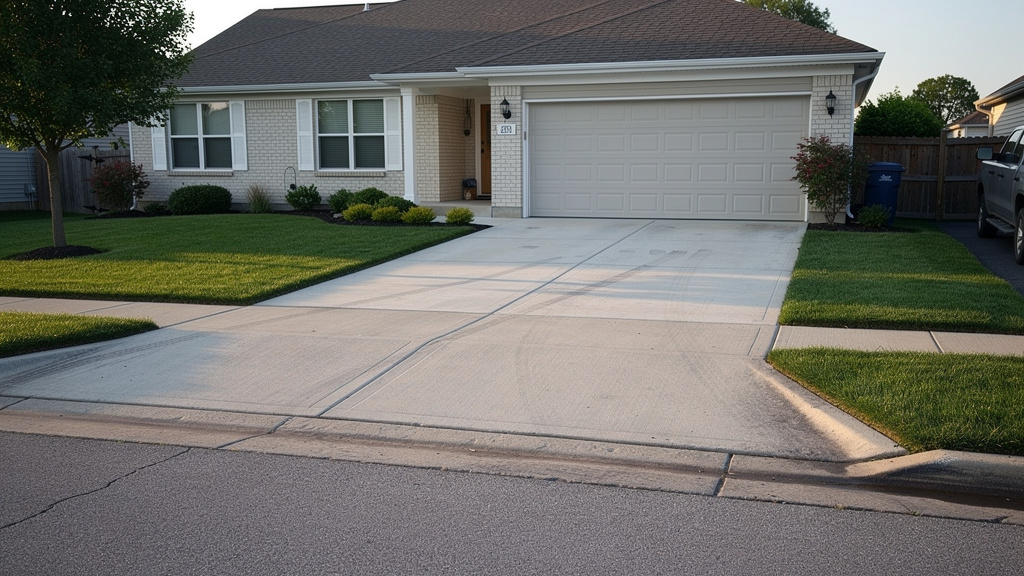
What determines income from unused space?
Income from unused space depends on the price you set, when the space is available, how often it books, and the costs tied to hosting it. Gross booking income is the amount generated before fees and expenses. Net income is what remains after those deductions, so no universal earnings figure applies to every driveway, garage, lot, or storage area.
A useful planning model is:
Estimated net income = booking revenue − Parking Mate host processing fees − space-related expenses
Your space type matters. A covered garage may serve a different renter need than an outdoor driveway, while a lot or storage area may support longer arrangements. Access, neighborhood conditions, local rules, and the amount of time you can offer also affect the outcome.
Availability deserves special attention. A space that is technically empty every day may not be available during certain hours, weekends, holidays, or periods when you need it yourself. Treat your calendar as a real limit, not as an assumption that every hour can produce revenue.
How should you set a price for an unused space?
A practical price comes from comparing the space’s usefulness with your schedule and local alternatives. Check the physical space, access, condition, duration, and nearby options before choosing a starting rate. The goal is not to find a universal “correct” price, but to create a rate you can test and adjust.
- Describe the space clearly.
Note whether it is a driveway, garage, assigned spot, lot, indoor area, or outdoor space. Record its approximate size, clearance, surface, and whether it can accommodate a particular vehicle or storage need. Accurate details prevent you from pricing a space based on features it does not have.
- Evaluate access and convenience.
A space with easy entry, clear arrival instructions, and access at useful times may be more practical than one that is difficult to reach. Consider gate codes, narrow driveways, stairs, turning room, lighting, and whether the renter must coordinate with you.
- Look at condition and security.
Clean surfaces, working lights, clear boundaries, and a well-maintained entrance can make the space easier to use. Don't promise security or protection you cannot provide. Instead, describe what is actually present and identify any limits in the listing.
- Match the rate to the booking duration.
Short bookings may justify a different rate from recurring monthly use because they create different calendar and communication demands. Consider how much flexibility you want to preserve and whether accepting a longer booking would prevent more suitable uses later.
- Review comparable local options.
Search for similar spaces in the same general area, paying attention to space type, access, timing, and condition rather than comparing price alone. Local listings can change, so use them as reference points for testing, not as proof that a particular rate will produce bookings.
Parking Mate lets hosts set their own hourly or monthly rates and control their availability. You can learn more about becoming a host after checking whether your space and schedule fit the arrangement.
Should you charge by the hour or by the month?
Hourly and monthly pricing serve different hosting goals. Hourly rates may suit short visits, event-style demand, or occasional availability, while monthly rates may fit recurring parking or longer arrangements. The better choice depends on access, how often you need the space yourself, and how much calendar flexibility you want to keep.
| Pricing approach | Best fit | Availability considerations | Income planning question |
|---|---|---|---|
| Hourly | Short-term parking, occasional use, event-style dates, or changing schedules | Keep specific hours open and account for arrival and departure timing | How many realistic bookable hours can I offer? |
| Monthly | Recurring parking, longer arrangements, or predictable storage use | Commit a larger block of space and time to one renter | What monthly amount makes the reserved space worthwhile? |
Hourly pricing can provide more control when your schedule changes. It may also require more frequent listing management, arrival instructions, and communication. Monthly pricing can make the calendar easier to manage, but it may reduce your ability to accept occasional bookings during the committed period.
A combined approach may fit some spaces. For example, you might offer monthly availability during a period when you rarely use the driveway and switch to selected hourly dates later. Be clear about the dates and rules so renters know what they are booking.
The price a renter sees may also include a separate renter service fee. That charge is distinct from the host payout calculation. Review the current Parking Mate pricing and fees when planning your numbers.
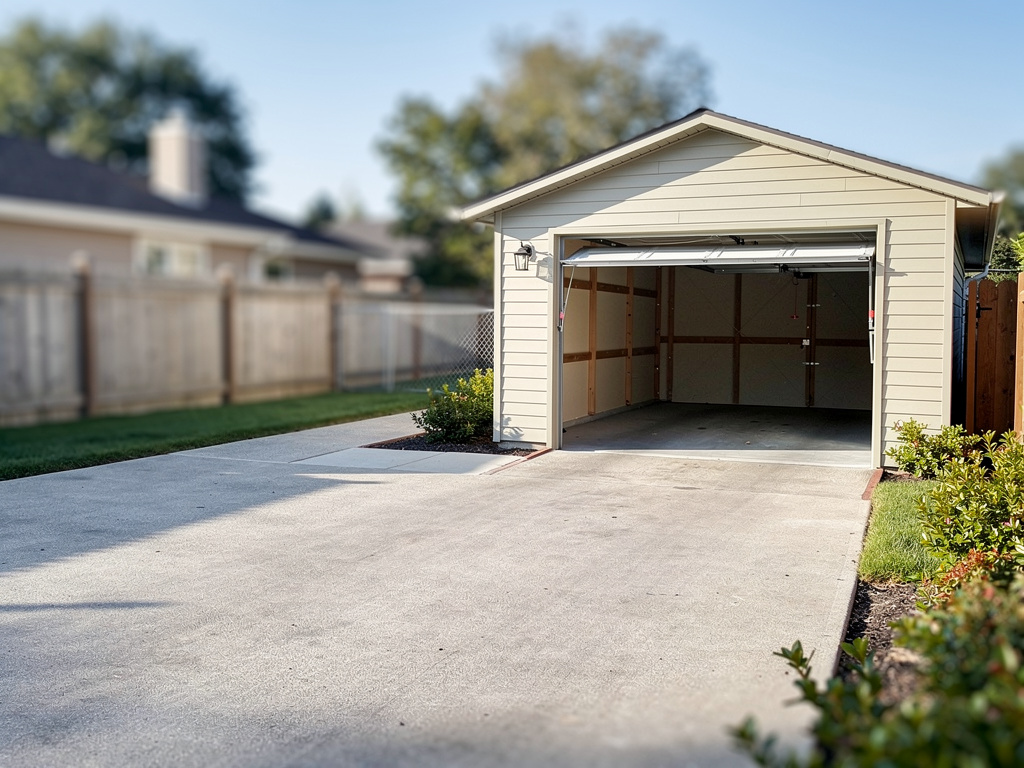
How can you estimate gross and net host income?
Estimate income with your own price, calendar, and cost information rather than a national average. Start with booking revenue, subtract Parking Mate’s published host processing fee of 3.9% plus $0.30 per booking, and then account for expenses connected to the space. Each scenario is only a planning estimate, not a promise of bookings or earnings.
- Build a low-booking case.
Use only the dates or hours you believe are most realistically available, with limited bookings. This case shows what happens if the space receives occasional use rather than steady activity. It can also reveal whether the arrangement still makes sense after fixed costs.
- Build an expected case.
Use a reasonable schedule based on your actual calendar, intended booking type, and observations of similar local options. Do not treat every open date as a booked date. Include gaps between bookings, personal-use dates, and times when you would decline a request.
- Build a stronger-booking case.
Model a busier period without treating it as guaranteed or permanent. A stronger case can show whether additional cleaning, access work, lighting, or communication would be worth the effort. Keep this separate from your expected plan so an optimistic outcome does not become your budget.
For a simple example, suppose you set a price of $20 for one booking. The host processing fee would include 3.9% of the booking amount plus $0.30. The payout before your other costs would therefore be less than the price you set. If you had cleaning, supplies, repairs, or access expenses, those would reduce the amount further.
A monthly plan works the same way. Multiply the monthly rate by the number of realistic paid months, subtract the applicable host fees per booking, and account for expenses. If a booking lasts several months, check how Parking Mate processes that arrangement and keep your records tied to the actual payout information.
Break-even analysis can add another useful check. Divide fixed costs by the amount left from each booking after variable costs. The SBA's break-even guidance explains the general concept, but your space may not have uniform booking units. Use the idea as a planning tool, not as a forecast.
Which costs can reduce income from hosting unused space?
The published platform fee is only one part of the financial picture. A host may also spend money preparing, maintaining, accessing, or insuring the space. Track each cost separately because not every expense is automatically deductible, and some shared costs may need a reasonable allocation between personal and rental use.
- Cleaning and supplies.
Outdoor spaces may need sweeping, snow or leaf removal, or occasional cleanup. Indoor areas may require cleaning materials, protective items, or replacement supplies. Track the date, purpose, and amount instead of estimating these costs from memory.
- Maintenance and repairs.
Patching a driveway, repairing a gate, replacing a light, or fixing drainage can affect what remains from bookings. Separate routine maintenance from larger improvements in your records because tax treatment may differ.
- Lighting and access improvements.
A host may choose to add lighting, improve a path, install a lock, or make access easier. These changes can create upfront costs even if they support future bookings. Decide whether the improvement is needed, optional, or useful for personal purposes too.
- Insurance changes.
Rental or business use may affect your coverage. The Insurance Information Institute advises discussing the activity with an insurance professional because standard homeowners coverage may not cover every rental or business-use situation. Parking Mate is not an insurer and does not promise coverage for damage, theft, injury, or vehicle claims.
- Shared property expenses.
Utilities, property services, taxes, or other costs may serve both your household and the rented area. When a cost is shared, use a reasonable method to identify the rental portion and keep notes explaining how you calculated it. IRS Publication 527 discusses shared-use expenses and other rental considerations.
The host processing fee is calculated per booking and deducted from the host payout. A renter’s separate service fee should not be treated as money you receive or as a host expense unless the platform’s published rules say otherwise.
What records should you keep for bookings, expenses, and taxes?
Good records connect each booking to its payout, fee, availability, and related expenses. Keep enough information to explain how you calculated income and costs months later. The IRS recommends records that support reported income and expenses, while the exact tax treatment and retention period depend on your circumstances.
- Booking and availability records.
Save booking dates, the space used, the price, cancellations or changes, and periods when you blocked the calendar for personal use. A calendar history helps distinguish potential availability from actual rental activity.
- Payout and fee records.
Keep payout statements, booking confirmations, and records showing the host processing fee. Compare the booking subtotal with the amount deposited so you do not report the gross price as if it were your net payout.
- Receipts and invoices for expenses.
Store receipts for cleaning, repairs, supplies, lighting, access work, insurance changes, and other space-related spending. Add a short note explaining the business or rental purpose, especially when the item also benefits your household.
- Property and improvement documentation.
Keep records for larger work, equipment, shared expenses, and the portion of the property used for hosting. These documents may matter for tax, insurance, or future property questions. The IRS explains that records may need to be retained beyond a single tax year in some property situations.
Rental income is generally reportable, but the correct form and treatment can vary. The IRS says real-estate rental activity is generally reported on Schedule E, while substantial services, personal property, mixed use, or other facts may change the analysis. Read the IRS rental income guidance, then ask a qualified tax professional about issues such as depreciation, self-employment tax, estimated payments, and state taxes.
What should you check before listing unused space?
A promising income estimate can change if you do not have permission to rent the space or if local rules affect its use. Check the property, insurance, and tax questions before publishing a listing. Requirements vary by city, county, zoning district, HOA, lease, policy, and type of activity.
- Check local zoning and permit rules.
Contact the appropriate city or county office about land-use rules, permits, business licenses, parking restrictions, signage, lighting, and nuisance standards. Do not assume that a private driveway, garage, lot, or storage area is treated the same way everywhere.
- Review HOA, lease, and ownership permissions.
Read association documents and your lease, and ask a landlord, co-owner, or property manager when their approval may be needed. Having physical access to a space does not always mean you have permission to rent it.
- Ask your insurance professional about the activity.
Explain what space you plan to offer, how renters will use it, and whether vehicles, storage, or other property will be involved. Ask about exclusions, liability, property damage, and business-use concerns rather than assuming your current policy applies.
- Discuss individualized tax questions.
Keep your income and expense records from the beginning, then ask a tax professional how your activity should be reported. Questions about Schedule E versus Schedule C, depreciation, shared expenses, personal use, and estimated taxes depend on your facts.
Parking Mate does not provide legal, insurance, or tax approval. These checks are part of responsible planning, not a guarantee that a listing can be offered in every location.
How does Parking Mate fit into a host income plan?
Parking Mate provides a marketplace where hosts can list unused parking, storage, lots, indoor spaces, outdoor spaces, and pools. Listing is free, there is no host subscription or long-term contract, and hosts set their own hourly or monthly rates and availability. The platform can support the booking process, but it does not guarantee demand or profit.
For financial planning, the key platform details are straightforward:
- Parking Mate deducts a 3.9% plus $0.30 host processing fee per booking from the host payout.
- Hosts control the price and availability calendar.
- The renter service fee is separate from the host payout calculation.
- Hosts can receive and withdraw earnings through Stripe Connect.
- Hosts can list, manage schedules, and track earnings through Parking Mate’s platform and apps.
Your own spreadsheet or bookkeeping system should still include the booking date, gross amount, platform fee, payout, expenses, and notes about availability. Platform tracking is useful, but keeping your own records gives you a clearer view of whether the space is covering its costs.
Start with a conservative price and a calendar you can genuinely manage. Review actual bookings and expenses after a reasonable period, then decide whether to change the rate, adjust availability, improve the space, or stop offering it. That approach turns unused-space host pricing and income into a measured household decision rather than an unsupported earnings promise.
Related reading
Frequently asked questions
How do I estimate income from renting unused space?
Estimate booking revenue from your price and realistic availability, then subtract Parking Mate's 3.9% plus $0.30 host processing fee per booking and your space-related expenses. The result is a planning estimate, not a guaranteed income amount.
Should I charge hourly or monthly for unused space?
Hourly pricing may fit occasional, event-style, or short-term use. Monthly pricing may work better for recurring parking or longer arrangements. Your schedule, access rules, and desired flexibility should guide the choice.
What fee does Parking Mate deduct from a host payout?
Parking Mate deducts a host processing fee of 3.9% plus $0.30 per booking from the host payout. The renter service fee is separate from the host-side payout calculation.
Is income from renting unused space taxable?
Rental income is generally reportable, but the correct tax treatment depends on the property, services, personal use, expenses, and other facts. Review IRS guidance and consult a qualified tax professional for advice about your situation.