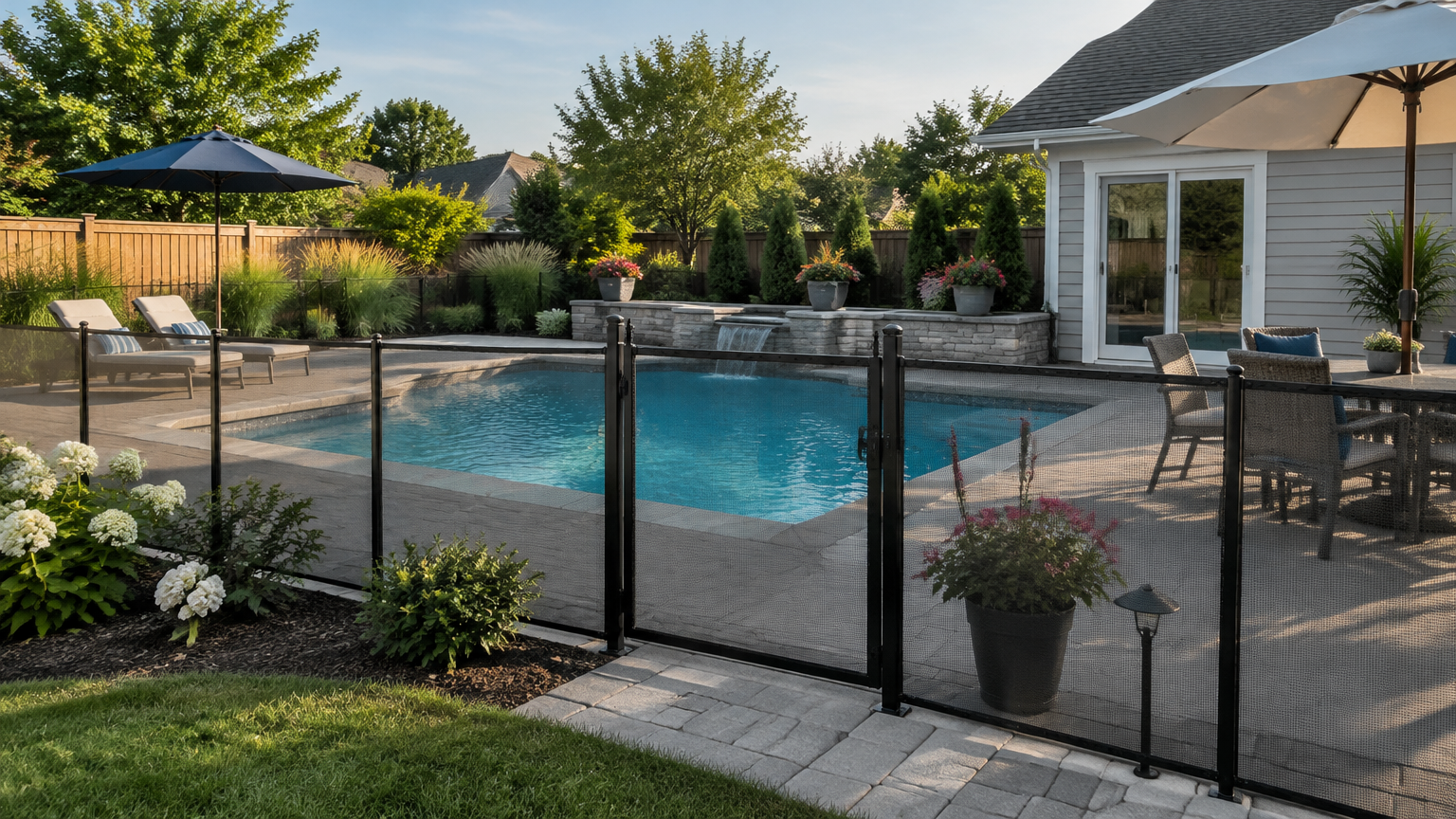
A “private pool” listing does not have one universal definition. Ask whether the pool is reserved exclusively for your group, whether the host or other guests may be nearby, which outdoor areas are included, and whether neighboring homes or shared spaces affect your privacy.
A listing photo may show a beautiful pool without making the boundaries clear. “Private” might mean the pool is in a residential backyard, not that you’ll have the entire property to yourself. Ask for a plain description of what you’re booking.
Clarify these points before choosing a date:
Is the pool area exclusive to my group during the booking window?
Can the host, household members, or other renters use the pool?
Are the patio, yard, restroom, changing area, and outdoor kitchen included?
Will other people be able to see or enter the pool area?
Is the pool attached to a home, part of a shared community, or located at a separate facility?
Are there quiet hours or privacy limits that affect the planned gathering?
If privacy matters because you’re bringing children, changing clothes, hosting a celebration, or taking photos, ask directly rather than relying on pictures. A short message to the host can prevent an uncomfortable surprise after arrival.
Which hours and access details should you confirm with the host?
The booking window should cover more than the time guests spend in the water. Confirm the exact start and end times, setup and cleanup rules, gate instructions, parking, late arrivals, after-dark access, and whether the host will be present. Also ask whether the pool stays available throughout the paid period.
Six scheduling questions deserve a clear answer:
What are the exact start and end times? Ask whether the pool is available from the stated start time or whether check-in, orientation, or access delays reduce your usable time.
Can we arrive early to set up or stay late to clean up? Decorations, food, chairs, and gifts may need extra time, and some hosts may not permit setup before the reservation begins.
Related reading
Frequently asked questions
Does a private pool rental always include exclusive use?
No. Ask whether the pool and surrounding area are reserved only for your group, whether the host or other guests may be present, and which parts of the property are included.
Does a private pool rental include a lifeguard?
Not unless the host specifically says so. Ask about lifeguard availability, then plan close and constant adult supervision for children and weaker swimmers.
What should I ask about bad weather during a pool booking?
Ask when the pool closes for lightning or unsafe weather, where guests should go, and whether the host offers rescheduling or refunds under the listing's stated policy.
Who counts toward a private pool's guest limit?
Ask whether the limit includes children, non-swimmers, spectators, vendors, photographers, and anyone who enters the property even if they do not use the pool.
Is evening or after-dark swimming allowed? Ask whether pool lighting is available, whether quiet hours apply, and when guests must leave the property.
What happens if someone arrives late? Confirm whether the gate can be opened after the start time and whether the host requires one person to meet the group.
How do we enter the property? Get specific instructions for a gate, lockbox, keypad, walkway, or host meeting. Don’t assume a visible driveway is the correct entrance.
Where may we park? Ask how many vehicles are allowed, where they can be left, and whether street parking or a shared driveway has restrictions.
Parking Mate lets renters review listings, book dates, pay through Stripe, and follow the host’s arrival instructions. You can browse private pool listings or search available spaces, but listing-specific access details still need to come from the host.
Keep the booking time, entry instructions, and parking answer in the platform conversation. If the host says the pool is available “all afternoon,” ask for exact times before confirming.
What safety questions should families ask before booking?
Families should ask about supervision, the pool’s depth and layout, barriers, rescue equipment, emergency access, and lifeguard availability. Never assume the host provides a lifeguard or watches swimmers. Plan a responsible adult water watcher and use the listing’s safety details only as part of your own decision.
These questions are especially useful when young children or weaker swimmers will attend:
Is a lifeguard or pool attendant provided? If the answer is no or unclear, assume your group must provide supervision. Swimming ability and lessons do not replace close, constant attention.
What are the pool depths and layout? Ask where the shallow and deep areas are, whether there are steps, and whether the pool has features that could make entry or exit difficult.
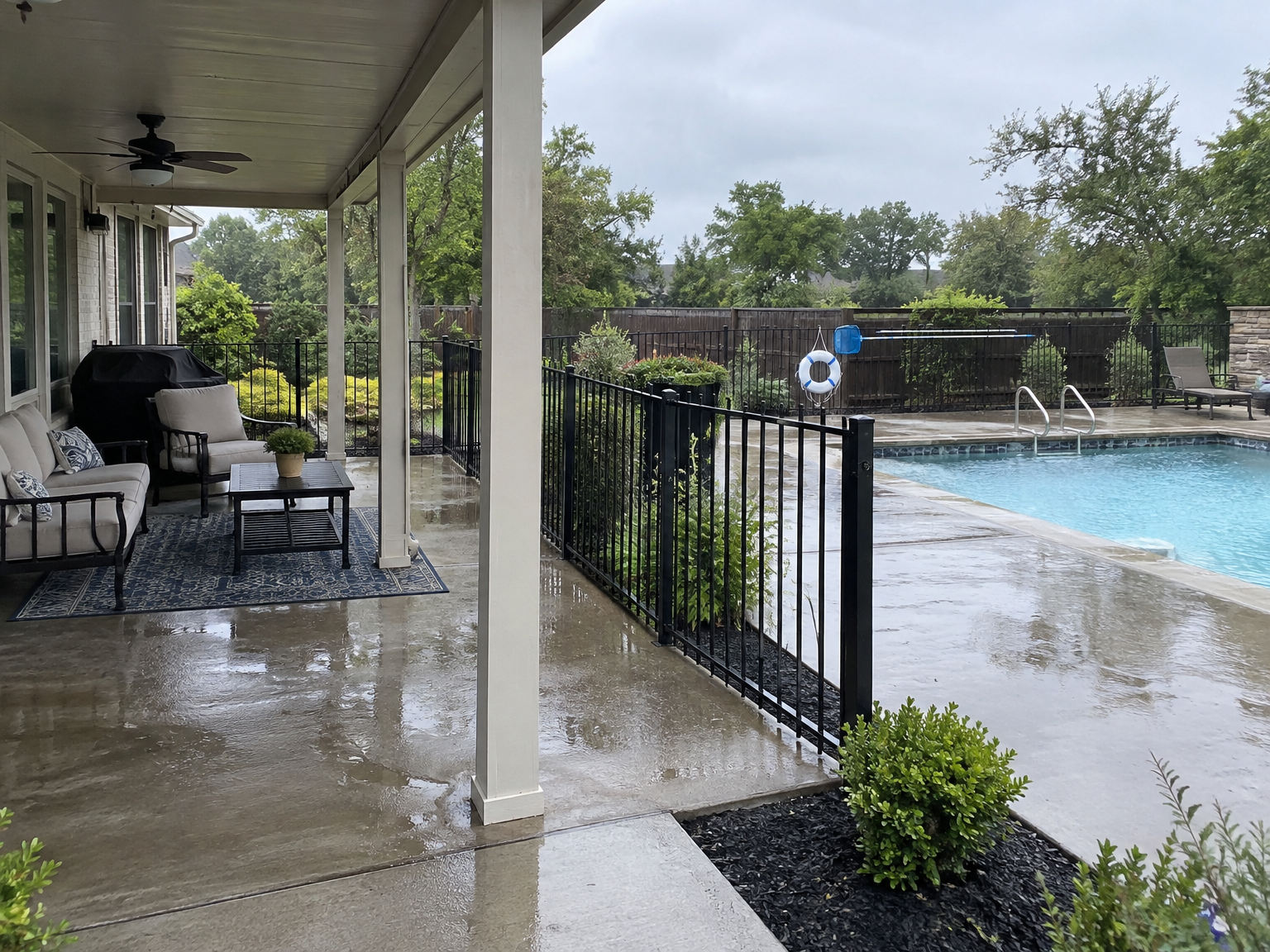
Is the pool surrounded by a fence or other barrier? Ask how children could reach the water from the house or yard and whether gates close and latch properly.
Where are rescue items and emergency contacts? Ask about a reaching pole, flotation equipment intended for rescue, a nearby phone, the property address, and the clearest route for emergency responders.
Are diving, jumping, and pool games allowed? A pool may not have enough depth or space for these activities. Ask about rules for inflatables, rough play, and running.
What should guests do if someone is hurt or has trouble in the water? Confirm the host’s emergency instructions and identify an adult who will supervise instead of relying on another guest to notice a problem.
The CDC’s drowning prevention guidance emphasizes close and constant supervision around water. The Consumer Product Safety Commission also recommends layers of protection, including barriers, self-closing and self-latching gates, and rescue preparation. Its pool barrier guidance can help families decide what to ask.
These sources offer general safety guidance, not proof that a particular rental meets every recommendation or local rule. Parking Mate does not provide lifeguards, pool inspections, safety certification, or legal approval for a listing.
Residential pool area with a gated pool, patio, and safety equipment
How should you confirm the guest count and pool’s fit for your group?
A private pool guest limit may apply to everyone on the property, not just people who swim. Ask how children, non-swimmers, spectators, vendors, photographers, and extra adults are counted. Then compare the group’s size and planned activities with the pool’s layout, seating, and supervision needs.
Ask the host these five group-fit questions:
What is the total guest limit? Request one number for everyone who will enter the property, including people who plan to sit outside the pool.
Do children and non-swimmers count? They usually affect space and supervision even when they will not enter the water, so get a direct answer rather than guessing.
Do spectators, vendors, photographers, or entertainers count? A birthday party may include more people than the core swimming group.
Is the pool appropriate for our youngest or least confident swimmers? Ask about shallow water, steps, handrails, entry points, shade, and places for a water watcher to sit nearby.
Are our planned activities allowed and suitable? Explain whether you want to dive, play games, use inflatables, host a small celebration, or bring decorations.
A listing that works for four adults may not work for a family party with toddlers and several non-swimmers. Likewise, a pool with limited deck space may feel crowded even when the stated guest limit seems large. Ask for written clarification whenever the listing uses vague phrases such as “small groups” or “event-friendly.”
Do not treat a maximum guest count as a recommendation for comfort or safety. The host’s stated limit, the pool design, local rules, and your group’s supervision plan all matter.
Which amenities should you ask about before paying?
Photos can show a patio chair or outdoor table without confirming that guests may use it. Ask which amenities are included in the booking, where they are located, and whether they are available for the entire reservation. Accessibility details also need direct confirmation because pathways, gates, pool entries, and restrooms vary.
Use the listing and host conversation to check these six areas:
Restrooms: Ask whether a restroom is available to guests, how far it is from the pool, and whether the route stays accessible without entering private areas.
Shade and seating: Confirm the number and type of chairs, tables, umbrellas, covered areas, and places where a water watcher can stay close to swimmers.
Changing space: Ask whether guests may change clothes on site and whether a private room, outdoor changing area, or only a restroom is available.
Lighting: For evening bookings, ask whether the pool, paths, gate, steps, seating, and parking area are lit.
Pool heating: If heating is shown or mentioned, ask whether it is included, available for the full booking, or subject to a separate charge stated by the host.
Food, furniture, and parking areas: Confirm whether grills, tables, coolers, outdoor furniture, kitchen areas, and parking are included or off-limits.
Also ask about pool entry if anyone in your group has mobility needs. Find out whether there are steps, a shallow entry, handrails, a lift, or a smooth path from parking to the pool. Don’t assume a listing is accessible because the photos look open or spacious.
A simple question such as “Which items in the photos may renters use?” can clarify a surprising amount. It can also reveal whether a pictured fire pit, lounge area, refrigerator, or pool cover is decorative, private, unavailable, or included.
What weather, health, and house rules could change the booking?
Rain, lightning, illness, and property rules can affect the reservation even when the pool looks ready on arrival. Ask what happens during storms, how closures are announced, whether rescheduling or refunds are offered, and which conduct and swimming rules apply to your group.
Cover these seven points in the booking conversation:
What happens during rain, high winds, smoke, or unsafe conditions? Find out whether the host pauses the booking, closes the pool, or follows another written procedure.
Are rescheduling or refunds available? Do not assume bad weather creates an automatic refund. Read the listing’s stated policy and ask how it applies to a shortened or canceled visit.
Are glass, food, alcohol, or music allowed? Ask where food may be eaten, whether glass containers are prohibited, and whether volume or alcohol rules apply.
Are pets, smoking, decorations, or vendors allowed? Balloons, confetti, candles, pets, and outside entertainment may create cleanup or safety concerns.
What are the health and hygiene rules? Ask about showering, bathroom breaks, swim diapers, illness, and whether anyone with diarrhea must stay out of the water. CDC guidance advises staying out of swimming water when sick with diarrhea and avoiding swallowed pool water. Review its healthy swimming guidance.
What are the cleanup and departure rules? Confirm where trash goes, whether furniture must be returned, and whether guests need to remove decorations or wash off sunscreen and oil before swimming.
Ask about flotation devices as well. Some hosts allow approved life jackets but prohibit large inflatables, glass-bottom items, or toys that block visibility. Foam and inflatable toys are not substitutes for active supervision.
Local pool, zoning, health, event, lease, and homeowner association rules may differ by property and location. General guidance from CDC or CPSC does not automatically make every private residential pool subject to the same national code. Treat the host’s written rules as a starting point and ask for clarification when your event may involve extra guests, vendors, music, or decorations.
Parking Mate shows applicable booking fees before confirmation, but it does not promise weather protection, refunds, insurance, inspections, or legal approval. Review the listing and any stated policy before paying.
What should you do when the listing or host’s answers remain unclear?
Unclear answers about guest limits, access, supervision, weather closures, or included amenities are a reason to pause, not guess. Ask specific follow-up questions in the booking conversation, save the responses, and choose another listing if key details remain unresolved before confirmation.
A useful follow-up message might say:
> “Before I confirm, can you please confirm the exact booking hours, maximum number of people on the property, whether the pool is exclusive to our group, who provides supervision, what happens during lightning, and which restroom and seating areas we may use?”
Specific questions are easier to answer than “Is everything included?” If the host replies with a general statement, break it into separate points. Ask for the guest limit, access method, parking location, pool depth, weather procedure, and amenity list one at a time.
Pay attention to answers that conflict with the listing. A photo may show a fence, but that does not confirm that the gate works or that the entire pool area is included. A listing may mention evening availability without explaining lighting or quiet hours. Written clarification gives you a better basis for deciding whether the space fits.
Before confirming, make sure you know:
The exact date and usable hours
Who may enter the property
Whether the pool is exclusive
How you will access the space
Where guests may park
Who supervises children and non-swimmers
What happens during lightning or other unsafe weather
Which amenities and outdoor areas are included
Which rules affect food, music, alcohol, pets, smoking, and cleanup
If a host cannot clearly explain a safety feature or a rule that matters to your group, keep looking. Parking Mate is a marketplace where renters can review pool listings, host details, dates, and stated policies before booking. The platform can support the booking process, but the renter still needs to confirm that the particular space works for the planned visit.