
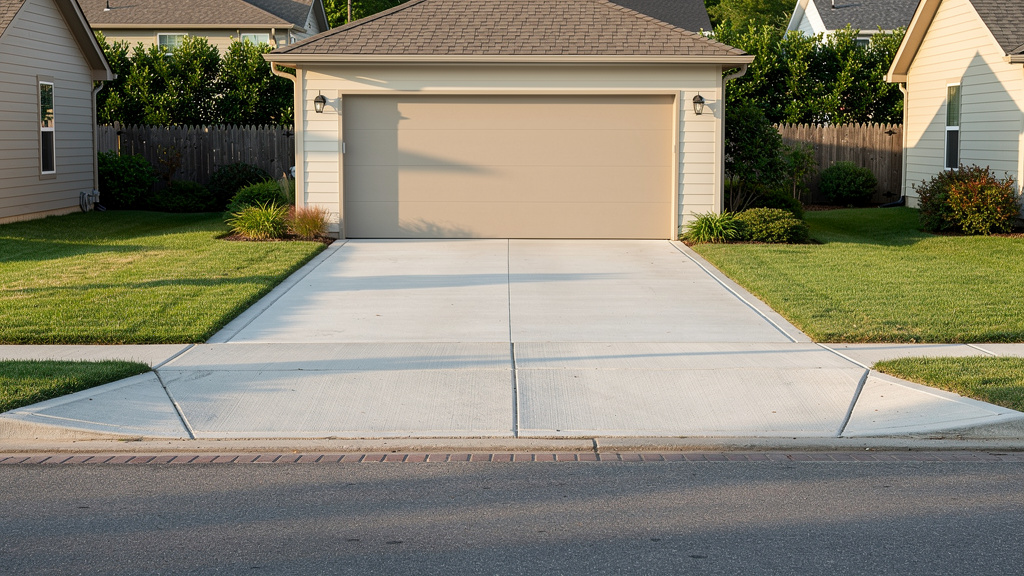
What is the difference between a documented parking booking and an informal cash arrangement?
A documented private parking booking records the space, dates, price, payment, people involved, and arrival instructions in one place. An informal cash arrangement may be verbal, handled through text messages, paid in physical cash, or sent through a payment app. Cash does not automatically mean the deal is undocumented.
With a marketplace booking, the listing and reservation usually create a starting record. The renter can review the location details, available dates, price, and host instructions before paying. The host also has a record of who booked the space and for what period.
A direct driveway parking arrangement can be just as clear if both sides take time to write down the terms. A simple written private parking agreement might identify the exact parking area, the beginning and ending time, the amount due, the payment date, and how either person will communicate a change.
The main difference is structure. A marketplace gives the parties a process for listing, booking, and payment. A direct deal leaves the parties responsible for creating and saving that process themselves. Neither option automatically guarantees a refund, insurance coverage, legal approval, or a problem-free transaction.
How do the two arrangements compare for communication and payment records?
A marketplace booking normally gathers listing details, reservation information, payment evidence, and arrival instructions more systematically. A direct deal can produce similar records, but the host and renter must create them through messages, receipts, bank records, or payment-app history and make sure those records match.
| Point of comparison | Documented private parking booking | Informal cash arrangement |
|---|---|---|
| Space details | Listing may describe the driveway, garage, lot, or assigned space | Parties need to describe the exact space themselves |
| Written communication | Messages and booking details can preserve questions and answers | Texts, emails, or verbal conversations may be spread across several places |
| Payment evidence | Marketplace transaction record shows the booking payment | Cash needs a receipt; a payment app or bank transfer creates its own record |
| Access instructions | Host can provide arrival and parking directions through the booking process | Host and renter must exchange and save instructions directly |
| Cancellations or changes | The parties can review the stated booking terms and messages | The parties need to agree on their own expectations in writing |
| Resolving confusion | A more organized record may make the original agreement easier to review | Missing messages or an unclear receipt can make the agreement harder to reconstruct |
The Federal Trade Commission recommends getting important answers in writing and keeping copies of marketplace messages. Its guidance also warns that paying outside a marketplace’s payment system may mean losing protections the site offers. That does not make every direct deal unsafe, but it does make the payment method and recordkeeping worth examining carefully.
For direct arrangements, the quality of the evidence depends on what the parties keep. A text saying “I’ll park there tomorrow” is less useful than a message that identifies the address or space, arrival window, total price, vehicle information if needed, and the person receiving payment.
Digital payment evidence is useful, but it is not the same as a guaranteed remedy. The FTC cautions that once money is sent through a mobile payment app, recovering it may be difficult. In other words, a payment-app history is not the same as guaranteed protection. Check the recipient before sending money, and do not assume a transfer can always be reversed.
What should a renter confirm before paying for private parking?
A renter should confirm the exact space, booking dates, total price, arrival instructions, host contact details, and cancellation expectations before sending money. Save the listing, messages, reservation details, and payment evidence afterward. These simple records can prevent confusion when the renter arrives later or plans change.
Use this checklist whether you are booking through a marketplace or arranging parking directly:
- Identify the exact space. Confirm whether you are renting a driveway section, garage, assigned spot, lot space, or another area. Ask how to recognize it when you arrive, especially if several spaces look alike. Do not rely only on a general neighborhood description.
- Confirm the dates and duration. Write down when access starts and ends. For an hourly booking, confirm the time zone if relevant and whether the reservation covers setup or departure time. A recurring arrangement should state which days or months are included.
- Check the full price. Ask whether the quoted amount covers the complete booking or whether a marketplace service fee appears before confirmation. For a direct cash deal, record the total amount, payment date, and whether any deposit or extra charge was discussed.
- Read the arrival and parking instructions. Find out where to enter, which part of the property to use, and whether a gate, permit, or special instruction applies. Make sure the vehicle will fit and that the host has explained anything that could block access.
- Keep reliable contact information. Save the host’s name and the best way to reach them near arrival time. A renter should know who controls the space and have a practical way to report that they have arrived or ask about an access problem.
- Clarify changes and cancellations. Ask what happens if you arrive late, need to leave early, or cannot use the space. Get the answer in writing. Never assume that a verbal promise about a refund or date change will be remembered the same way by both people.
Parking Mate renters can search for available private parking, review a listing, book dates, and follow the host’s arrival instructions. Direct renters do not have a central booking page, so saving screenshots or copying the agreed terms into a dated note can be especially helpful.
The FTC also recommends keeping copies of messages and reviewing the rules of the marketplace involved. That advice is useful even when the transaction seems straightforward. A short reservation may still involve several details that are easy to forget.
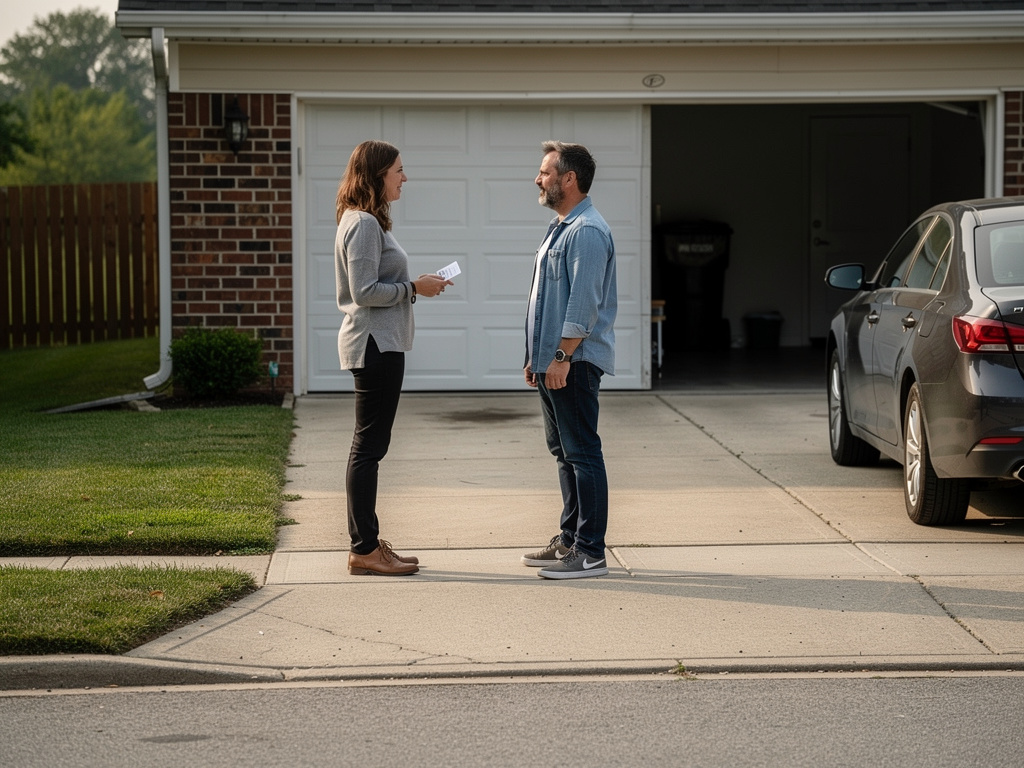
How can a host make a direct parking arrangement easier to document?
A host can make a direct deal clearer by recording who is renting, what space is included, when access begins, how much is due, and what rules apply. The host should also document payment and confirm later changes in writing. Good records support clarity, but they are not a substitute for local legal or tax advice.
For a direct arrangement, create a basic record that includes:
- Renter contact details. Record the renter’s name and a practical contact method. Avoid collecting unnecessary sensitive information. The purpose is to know who is using the space and how to reach that person about arrival or changes.
- Space description. Describe the parking area in plain language. Include useful details such as “left side of the driveway” or “numbered spot beside the garage” only when those details accurately identify the space. A photo may help, but it should not expose private information unnecessarily.
- Agreed dates and times. State the first and last date, daily or hourly access period, and any limits on overnight or recurring use. If access is open-ended, write down when the arrangement will be reviewed or ended.
- Price and payment date. Record the total amount, how it was paid, and when payment was received. If the renter pays cash, provide a dated private parking receipt that identifies the amount, date, service period, and space.
- Access and use rules. Explain where the vehicle may go, how the renter enters, and any reasonable restrictions that affect use. Confirm changes by text or email instead of relying on a conversation in the driveway.
A receipt does not need to be complicated. It should connect the payment to a specific parking service and date. The IRS describes receipts and supporting documents as useful records for cash payments, and it recommends keeping documents that identify the payee, amount, date, proof of payment, and description of the service.
Hosts should also keep a record of cancellations, revised dates, and refunds if any occur. A message such as “the booking now ends Friday at 6 p.m.; both sides agree” is much clearer than an informal exchange that only says “that works.”
Property rules still matter. A host should check whether local regulations, a lease, HOA or condo rules, zoning, insurance terms, or another property restriction affects the ability to rent the space. A written agreement does not prove that the host has permission to offer the property.
Income and recordkeeping can also have tax consequences that depend on the host’s situation. The IRS explains that income received for property or services may need to be reported, even when a particular tax form is not received. Hosts with recurring or substantial income should ask a qualified tax professional for advice rather than relying on a general article.
When does a documented booking make more practical sense?
A documented booking is especially useful when the renter and host do not know each other, the parking period involves several timing details, or the driver will arrive late or attend an event. Organized records reduce ambiguity, although they do not guarantee a refund, insurance coverage, or a successful transaction.
A marketplace booking may be the more practical choice when:
- You are dealing with an unfamiliar host or renter. A listing and reservation create a clearer starting point than a promise made in a brief conversation.
- You need event parking. Events often involve narrow arrival windows, crowded streets, and multiple changes. Written instructions are easier to revisit than a verbal agreement.
- You need recurring parking. Monthly or repeated use benefits from a clear record of the dates, payment period, and access rules.
- You expect a late arrival. A renter can review instructions before reaching the property instead of trying to solve basic questions at night.
- Several details affect the booking. Vehicle size, gate access, permitted hours, or a specific parking area are easier to manage when they are written down.
- You want to compare the total before paying. A marketplace can show the listed price and applicable fees before confirmation, while a direct arrangement requires the parties to calculate and confirm the total themselves.
An informal arrangement may still be reasonable for people who already know each other and are willing to create a clear written record. A direct deal can also be convenient when the parking need is simple and both sides agree on the terms. The point is not that one method is always superior. It is the quality of the agreement and payment trail that matters most.
Marketplace fees are part of that comparison. A direct arrangement may not include a marketplace service fee, but it can require more work from the host and renter to advertise the space, confirm identity, exchange instructions, issue receipts, and resolve changes. A lower quoted price does not automatically mean a lower overall burden.
The FTC advises consumers to understand how payment works and who can help if something goes wrong. That is a useful question for either option. Before paying, know what record you will receive, who can answer an access question, and what the parties have agreed to do if the plan changes.
How does Parking Mate structure the booking and payment process?
Parking Mate connects renters with hosts who list unused driveways, garages, lots, and other spaces. Renters review the listing, choose available dates, pay through Stripe, and follow the host’s arrival and parking instructions. Fees are shown before confirmation, but Parking Mate is not an insurer, lawyer, or tax advisor.
Hosts set their own price and availability, including hourly or monthly rates, and control the access rules for their listing. That gives the host a place to describe the space before a renter books. The renter can then review the listing and reservation details instead of building the entire arrangement from a casual conversation.
Parking Mate uses Stripe for payments, and hosts and renters are verified through Stripe. Verification is a platform feature, not a promise that every person is trustworthy or that every transaction will go smoothly. Renters should still read the listing, check the instructions, and keep their booking and payment records.
The published pricing includes a 10% renter service fee based on the booking subtotal. Parking Mate shows fees before confirmation, so renters can review the total before completing the booking. Hosts pay a processing fee of 3.9% plus $0.30 per booking, deducted from the host payout. See Parking Mate's published fees for the platform’s current fee details.
A structured booking can make the practical details easier to find, but it does not replace judgment. Parking Mate does not provide insurance for a vehicle, driveway, garage, lot, host, or renter. It also does not approve local zoning, HOA, lease, tax, or property-use rules. Those issues vary by location and by property.
For a direct cash arrangement, create the same basic clarity yourself: identify the space, dates, amount, access instructions, people involved, and payment date. For a Parking Mate booking, keep the listing, messages, confirmation, and payment evidence. In both cases, written details are more useful than memory when the driver arrives or the plan changes.
Related reading
Frequently asked questions
Is an informal cash parking arrangement always undocumented?
No. A direct arrangement can include written messages, a description of the space, agreed dates, payment evidence, and a dated receipt. Physical cash alone does not determine how well the agreement is documented.
What should a renter save after booking private parking?
Save the listing, reservation details, host messages, arrival instructions, cancellation information, and proof of payment. Keeping these records makes it easier to review what both sides agreed to.
Does Parking Mate provide insurance for a parked vehicle?
Parking Mate is not an insurer. A Parking Mate booking can organize listing, reservation, payment, and arrival information, but renters and hosts should not assume that the platform provides vehicle, property, or liability coverage.
What fees does a renter pay through Parking Mate?
Parking Mate publishes a 10% renter service fee based on the booking subtotal. Fees are shown before confirmation, so renters can review the total before completing a booking.