
What should a private pool rental rule sheet cover?
Private pool rental rules are host-created instructions explaining who may use the property, when guests may arrive, which areas are open, and what conduct is allowed. They should be clear, property-specific, and easy to follow, not treated as a universal legal template or a replacement for professional advice.
A useful rule sheet usually covers:
- The maximum approved group and whether unregistered visitors are allowed
- The booking start and end times
- The pool, deck, bathroom, and seating areas guests may use
- Areas that are off-limits, such as bedrooms, garages, storage spaces, or neighboring yards
- Child supervision expectations
- Activities and items that are not allowed
- Cleanup, trash, and departure instructions
- What to do if someone is injured, the equipment stops working, or the host closes the pool temporarily
Keep the wording direct. “Only booked guests may enter the pool area” is easier to understand than a long paragraph about unauthorized use. You can send the rules before arrival, include them in the listing, and post a short version where guests enter the pool area.
The rule sheet should support safe operations, but it does not remove the host’s responsibility to maintain the property, follow local rules, or respond to hazards.
How should you set guest limits and child supervision rules?
Set the approved group size based on your pool, deck, property layout, facilities, booking type, and local rules. Then identify the responsible adult for children. There is no universal national guest limit that fits every backyard pool rental.
- State the maximum approved group. Count everyone who will be on the property, not only people who plan to swim, if your property limit applies to the full gathering. Explain whether infants, spectators, and visitors count. Do not use a number simply because it sounds standard. It should fit the space and any applicable local requirements.
- Assign active supervision to an adult. Write that a responsible adult must stay close and pay constant attention to children in or near the water. Swimming ability, lessons, flotation devices, or the presence of other adults do not replace direct supervision. The adult should not rely on a phone, camera, or occasional checks from inside the house.
The CDC explains that drowning can happen quickly and quietly, and that children who have had swimming lessons still need close, constant supervision. Link your rule to an action guests can understand: “An adult must remain within sight and reach of young children whenever they are in or near the pool.”
Distinguish booked guests from unapproved visitors. A renter may assume a friend can stop by for a few minutes, while a host may view that person as an unapproved guest. State whether visitors are prohibited, require advance approval, or count toward the group limit.
A simple example might read:
> Only the guests named or approved for this booking may use the pool area. Children must remain under the close, constant supervision of a responsible adult. The supervising adult must stay beside the pool and remain focused on the children.
That wording is more useful than “swim at your own risk,” which is vague and should not be treated as a substitute for safety practices or legal advice.
How can you define pool boundaries and prohibited activities?
Clear pool-area boundaries tell renters where they may gather and which parts of the property they must avoid. Pair a simple map or photo with written rules covering the pool, deck, bathroom, furniture, home, driveway, storage areas, equipment, and neighboring property.
Walk the property as if you were arriving for the first time. Guests may not know whether they can use an outdoor kitchen, enter the house for a restroom, open a shed, walk through a side gate, or park in the driveway. Identify each permitted area and mark private spaces with a physical barrier or clear instruction.
Your pool area boundaries might say:
- Guests may use the pool, immediate deck, designated seating, and specified bathroom.
- The house, garage, storage shed, garden, driveway, and neighboring yard are private.
- Pool equipment, chemical storage, gates, and utility areas are not guest-access areas.
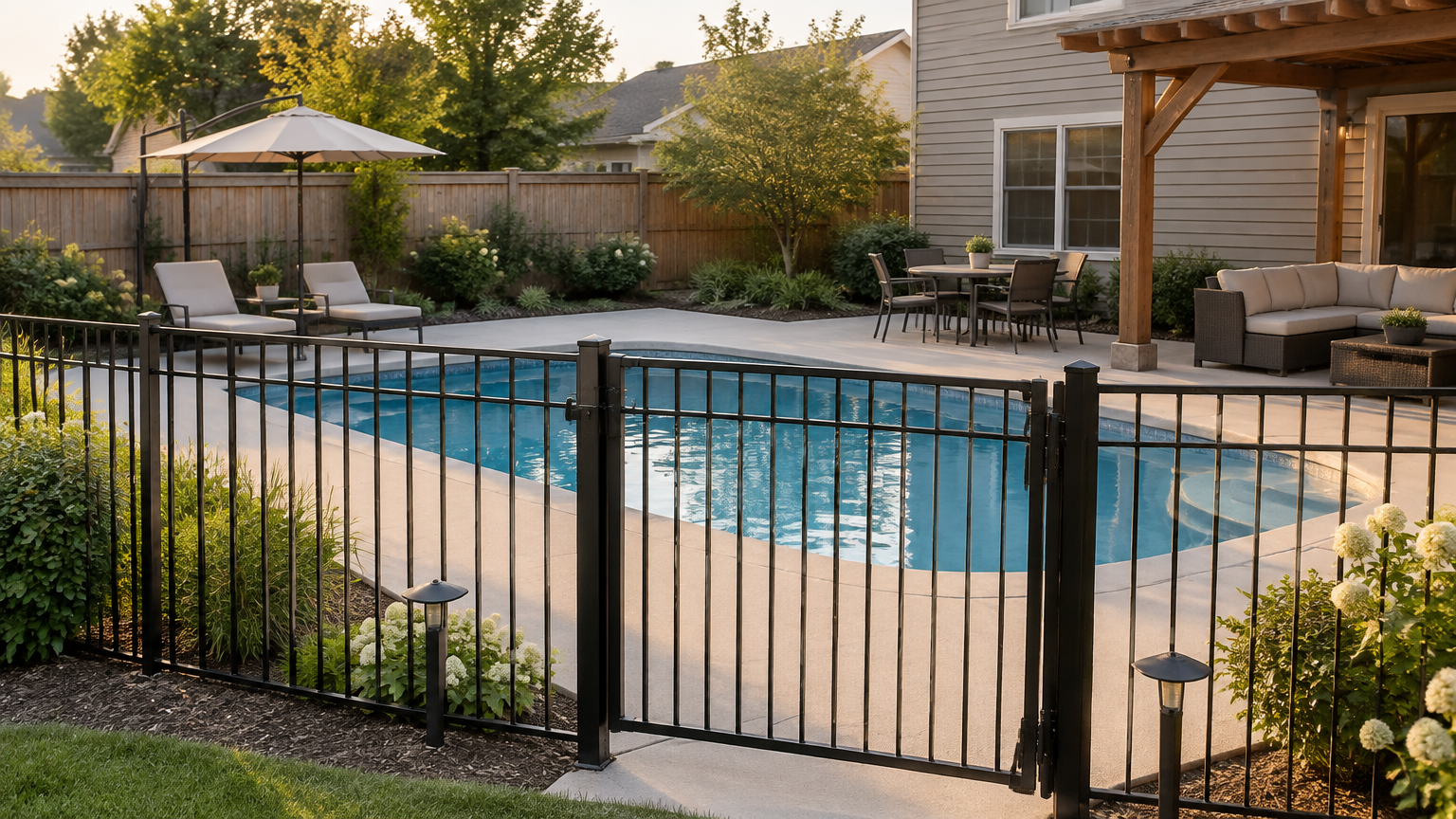
- Guests must keep gates closed and must not move furniture or safety equipment.
Prohibited activities should reflect the actual property rather than copy a generic list. Depending on the pool and your local rules, you may consider restrictions on:
- Diving or jumping where the pool depth or layout makes it unsuitable
- Running, pushing, wrestling, or unsafe horseplay
- Glass containers near the pool
- Smoking or vaping
- Pets in the pool or pool area
- Parties, amplified music, or additional visitors
- Pool chemicals, filters, pumps, or other equipment
- Food and drinks in areas where spills could create a hazard
State what guests may do instead when possible. For example, “Use plastic, non-breakable containers on the deck” gives a clearer instruction than only saying “No glass.”
What arrival and departure details prevent scheduling problems?
Pool rental arrival and departure rules should give guests one clear booking window, an early-arrival policy, a late-stay policy, and instructions for leaving the space ready for inspection. These details protect reset time between bookings and reduce confusion when the host needs to clean or check equipment.
- Write the exact arrival window. Include the booking start time, where guests should enter, and whether they must wait outside the property until that time. If a host needs to provide access personally, say so.
- Explain delays and early arrivals. Tell renters how to contact you if they are running late. Make clear that an early arrival does not extend the reservation or guarantee early access. A host may need time to inspect the pool and prepare the area.
- Set the pool-use end time. State when swimming must stop and when everyone must leave the property. Avoid vague phrases such as “around sunset” unless the booking truly uses a changing natural time and guests can understand it.
- Describe cleanup and departure. Tell guests where to place trash, whether furniture must be returned, and how to close gates or lock doors. Explain that remaining past the booking may interfere with another reservation.
The language can be short:
> Arrival is permitted at the booked start time, not earlier. Please contact the host if you are delayed. Pool use ends at the reservation end time, and all guests must leave by then. Place trash in the marked container and close the gate when departing.
Parking Mate lets hosts control their availability and offer host-set hourly or monthly bookings. If you browse private pool listings, you'll see why access instructions and time windows need to be specific from the start. A calendar controls availability, but the written rules still need to explain how guests enter and leave.
Which safety and maintenance instructions belong in the rules?
Safety instructions should focus on access control, emergency expectations, and pool maintenance. Guests need to know what they may touch, where they may go, and what to do when conditions change. Hosts still need to inspect and manage the property rather than rely on written rules alone.
- Explain barriers and access controls. Tell guests to keep fences and gates closed, never prop open a gate, and leave door alarms or other safety equipment in place. The CDC recommends a four-sided fence that separates a home pool from the house, while the CPSC provides guidance on self-closing and self-latching gates. Those sources offer safety guidance, but local laws may differ.
- Identify emergency and equipment boundaries. Show the location of emergency supplies and explain how to contact the host or emergency services. Tell guests not to adjust pumps, filters, heaters, drains, lights, or chemical systems unless you specifically authorize it. Keep pool chemicals stored away from renters and children.
- Explain maintenance closures. Say that the pool may be temporarily unavailable if water quality, weather, equipment, cleaning, or another safety concern makes swimming unsuitable. Give guests a way to report cloudy water, broken furniture, damaged gates, spills, or other hazards. Do not reopen the pool until the problem has been checked.
The CDC's pool safety guidance also addresses chemical handling and healthy swimming practices. Keep technical instructions in the host's operating checklist, but give renters the simple rules they need: do not handle chemicals, do not swim if sick, and leave the water when the host says the area is closed.
How should pool rules change for different booking situations?
The core safety rules should stay consistent, but the wording and access details can change for families, small groups, birthday gatherings, hourly reservations, shared properties, and homes where the host remains nearby. Match the instructions to the people using the space and the way the property operates.
A family booking may need especially clear language about active adult supervision, gates, flotation toys, and children staying within the designated pool area. A small adult group may need more detail about noise, glass, alcohol, and the end time. Do not assume one group type makes a rule unnecessary.
Birthday gatherings require closer attention to the total number of people, decorations, food, music, gifts, and cleanup. If parties are not allowed, say so before accepting the booking. If a small gathering is allowed, state what makes it acceptable, such as an approved guest count and no unapproved visitors.
Hourly reservations benefit from short, visible instructions. Put the booking start and end times near the arrival information, then repeat the departure steps. Shared residential properties need additional privacy rules covering driveways, common yards, entrances, residents, and quiet hours.
If you list through Parking Mate, you can set your own availability and access expectations for the pool space. You can list a pool space on Parking Mate, but the platform should not be presented as inspecting the property, approving your rules, or guaranteeing that renters will follow them.
How can you handle common pool rental rule problems?
Most rule problems become easier to manage when the host has written response language ready before the booking. Pause access when a situation creates an immediate safety concern, document what happened, and avoid treating a message or waiver as a replacement for supervision or property management.
- Extra guests arrive. Ask the renter to identify everyone in the group and compare the group with the approved limit. If the additional people are not allowed, say that they must leave before pool use begins or continue. Do not quietly exceed a limit you set for the property.
- Renters arrive early. Explain that the pool is unavailable until the reserved start time because the host may need to inspect, clean, or reset the space. If early access is possible, approve it directly rather than allowing guests to enter on their own.
- Children enter without active supervision. Stop pool use and speak directly with the responsible adult. State that children must remain under close, constant supervision. Do not attempt to solve the problem through remote cameras or a message while children remain at risk.
- The group stays past the end time. Give a clear reminder when the booking is ending and ask guests to leave the pool and property. If they remain, document the time and follow the booking or platform process available to you. Never let a scheduling concern distract from an immediate hazard.
You can also create short phrases for common situations:
- “The pool is closed until the booked start time.”
- “Only approved guests may use this area.”
- “Please remove the glass container from the pool deck.”
- “Swimming must stop now because the pool is temporarily closed.”
Hosts looking for broader listing and access guidance can register as a host. Written procedures are useful, but they do not eliminate the need to respond to hazards, maintain barriers, supervise children, or follow local requirements.
What local and insurance checks should you make before listing?
Rules for paid pool use vary by location and property. Check zoning, health, building, permit, short-term rental, HOA, lease, and insurance requirements before publishing the listing. Ask an insurance professional about paying guests and pool liability because an ordinary homeowners policy may limit or exclude home-sharing activity.
A private pool rented by the hour may be treated differently from a pool used only by a household or invited friends. The distinction can depend on local definitions, the number of users, the booking arrangement, and how the property is operated. The CDC Model Aquatic Health Code is guidance, not automatically binding law.
Check with the relevant:
- City or county zoning office
- Local health department
- Building or permit department
- State or local short-term rental authority
- Homeowners or condominium association
- Landlord, if you rent the property
- Insurance agent or broker
Ask your insurer specifically about paying guests, hourly rentals, pool-related injuries, property damage, and home-sharing activity. The National Association of Insurance Commissioners warns that standard homeowners policies may not be designed for every short-term rental situation. Do not assume a written waiver, “swim at your own risk” statement, or marketplace listing creates coverage.
Parking Mate is a marketplace where hosts can list pool spaces, set availability, and communicate access rules. It is not an insurer, lawyer, tax advisor, safety inspector, or source of legal approval. Review the relevant local requirements and get professional advice when the rules affect your property, insurance, or taxes.
A final rule sheet should be short enough for guests to read, specific enough to prevent confusion, and honest about what the host must still manage. Clear limits, direct supervision language, defined boundaries, reliable timing, and property-specific restrictions give renters a much better understanding of what a safe booking requires.
Related reading
Frequently asked questions
What should private pool rental rules include?
Include the approved guest limit, child supervision expectations, arrival and departure times, pool-area boundaries, permitted and prohibited activities, emergency instructions, cleanup expectations, and contact instructions for problems.
Is there a universal guest limit for a private pool rental?
No. The appropriate limit depends on the pool, deck, property layout, local rules, booking type, and available facilities. Hosts should set a property-specific limit rather than rely on a national standard.
Do children still need adult supervision if they can swim?
Yes. Children need close, constant supervision in or near the water, even if they can swim or have taken lessons. A responsible adult should be identified for each booking.
Does Parking Mate provide insurance or legal approval for pool rules?
No. Parking Mate is a marketplace where hosts can list pool spaces and manage availability, but it is not an insurer, lawyer, or source of legal approval.