
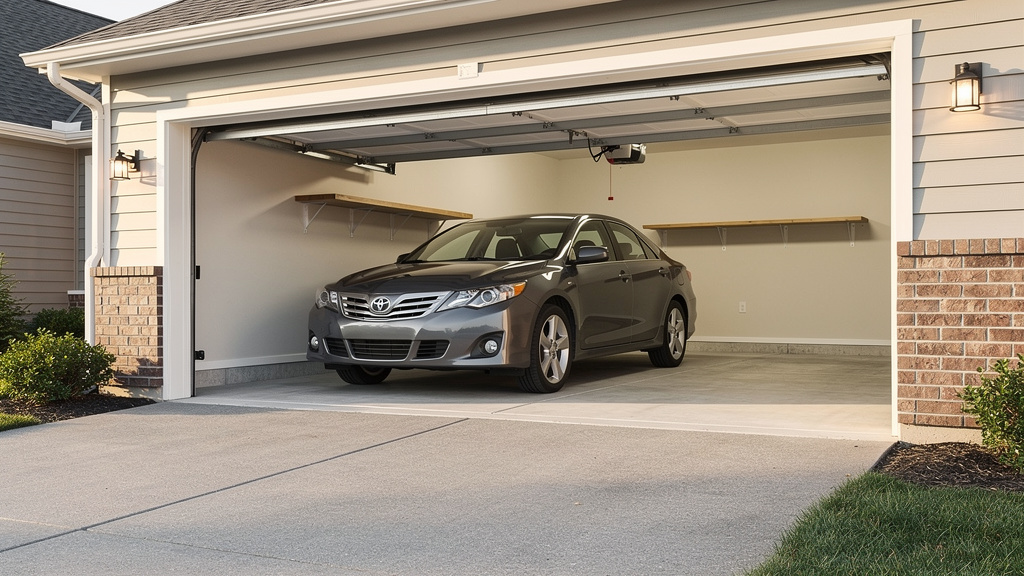
Are you allowed to rent out the garage or assigned parking spot?
Before you rent out a garage parking spot, confirm that you own it or have permission to offer it. Check property documents, building rules, local requirements, insurance questions, and tax implications. Parking Mate is not an insurer, lawyer, or tax advisor, and listing a space does not replace these checks.
- Confirm ownership or landlord approval. An owner may generally have more control over a private garage, but a tenant usually needs to review the lease and ask the landlord or property manager before renting out a space. A tenant’s right to use a garage does not automatically include the right to sublet it.
- Review lease and building restrictions. Look for rules about subleasing, business activity, nonresident access, vehicle storage, keys, remotes, and shared facilities. A property manager may also have a process for registering outside drivers.
- Check HOA or condominium documents. An assigned spot might be deeded, leased, or treated as a limited common element. The declaration, bylaws, parking policy, or association rules may limit rentals, restrict nonresident users, or require approval.
- Look into local, insurance, and tax questions. Parking and zoning rules vary by location and property type. Ask the appropriate local office if the arrangement is unclear, and speak with your homeowners insurer before accepting payment. Rental payments may be taxable income, so the IRS guidance on rental income is a useful starting point.
A paid parking arrangement can also affect coverage. The NAIC guidance on insurance for rental activity explains that policies may treat paying guests and business activity differently. It does not create a universal rule for every garage rental, so ask your insurer about your specific situation.
What makes a garage parking spot usable for another vehicle?
A usable garage parking spot has more than an empty floor. The renter needs enough room to enter, turn, park, open doors, and leave without hitting walls, columns, stored items, or other vehicles. Describe whether the space is enclosed, covered, assigned, shared, or exclusively reserved.
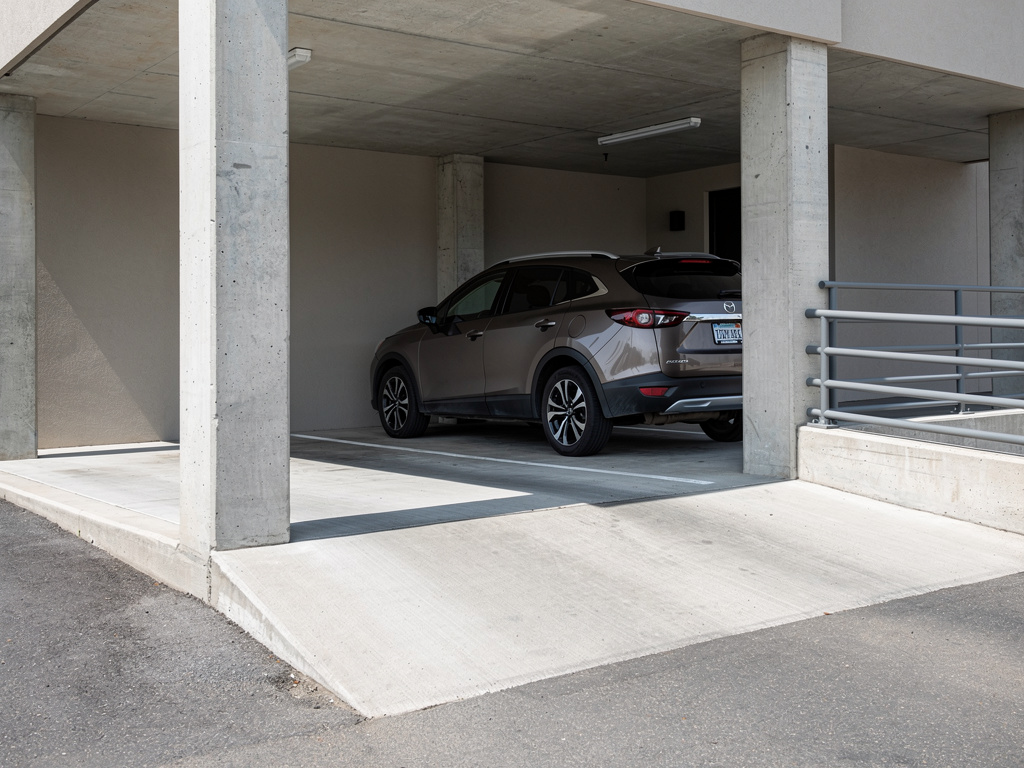
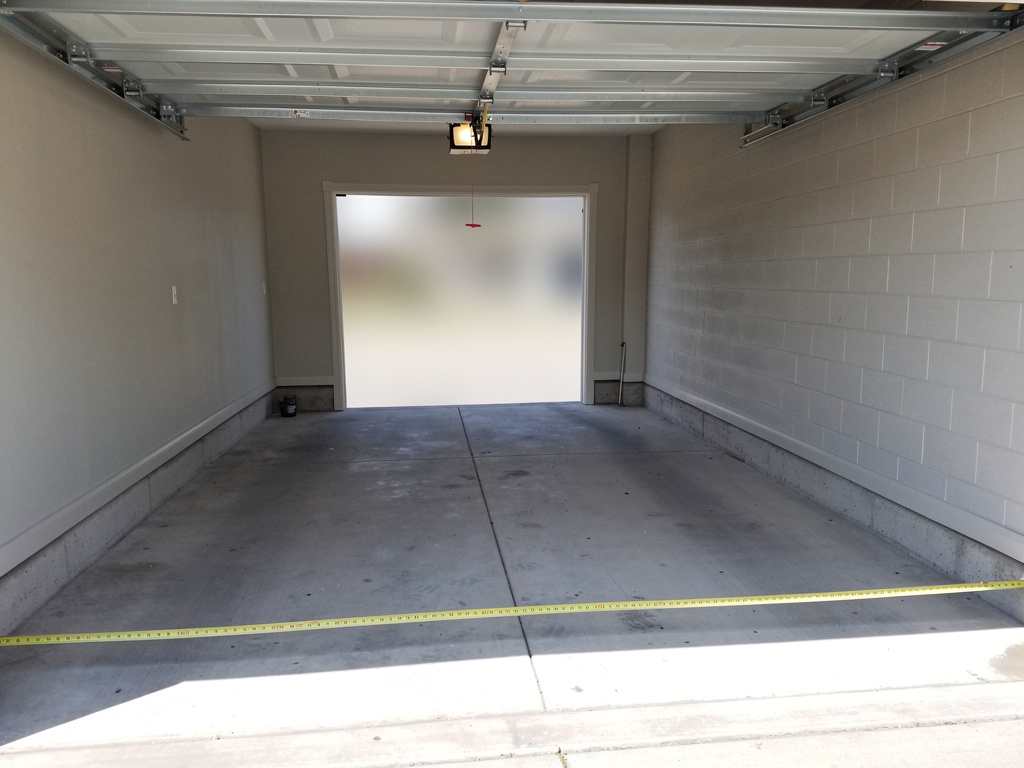
Measure the full access route, not just the painted stall. Record the stall’s length and width, the garage-door height, the narrowest entry point, ramp angle, turning area, and the location of columns or pipes. A vehicle may fit inside the stall but fail to clear the door or make the turn.
Condition matters, too. Note whether the garage is dry, lit, locked, ventilated, and free of clutter. If the space is in a shared garage, explain how drivers reach it and whether other vehicles or pedestrians regularly pass nearby. Do not describe an assigned covered stall as an enclosed garage unless walls and a door actually provide that protection.
Clarify what the renter receives. Does the driver get exclusive use of one marked space, or can another vehicle occasionally occupy it? Is personal storage included? In most cases, parking access does not automatically include permission to leave boxes, tools, tires, or other belongings in the area.
What should you include in a garage parking listing?
A useful listing gives renters enough detail to decide whether the space fits their vehicle and routine. Include accurate photos, measurements, the real entry process, availability, and clear rules. A complete listing reduces avoidable questions and makes a garage parking space rental easier to manage.
- Show the actual space. Take photos of the stall, garage door, approach, ramp, turning area, and nearby obstacles. Avoid relying on a generic picture of a similar garage. Keep personal belongings and sensitive property details out of the frame.
- Add measurements and clearance. State the stall length and width, door height, entry width, and any tight turns. Mention columns, low pipes, steep ramps, narrow aisles, or other features that could affect SUVs, trucks, vans, or vehicles with roof racks.
- Explain access instructions. Tell renters where to enter, whether they need a key, opener, remote, access card, or code, and how they exit. State whether the credential works at all times or only during certain hours. Never assume a driver understands the building’s entry process.
- State availability and timing. Identify whether the space is offered hourly, for an event, on a recurring schedule, or monthly. Include days when the space is unavailable, such as planned maintenance, travel, building work, or personal use.
- Define permitted uses and vehicle limits. Say whether the rental is for parking only and identify restrictions on storage, repairs, charging, washing, idling, oversized vehicles, trailers, or commercial use. If only one registered vehicle is allowed, say so.
Hosts can learn how to become a Parking Mate host before preparing a listing. The same practical details matter whether the space is an indoor parking spot, an assigned condominium stall, or a private garage connected to a home.
How should you set access hours and rental timing?
Access terms should match what you can reliably provide. A host who offers monthly parking may still have limited entry hours, while an event booking may require a narrow arrival window. Describe the credential, schedule, temporary closures, and contact process instead of promising access you cannot maintain.
| Access arrangement | Good fit for | Details to state |
|---|---|---|
| Flexible hourly access | Short visits, errands, and event parking | Booking window, arrival instructions, credential type, and any time limits |
| Recurring monthly access | Commuters, apartment residents, and second-vehicle parking | Regular access hours, renewal or end date, vehicle changes, and planned closures |
| Scheduled access | Buildings with controlled gates or a host who must provide entry | Required notice, meeting or handoff process, entry and exit times, and late-arrival rules |
| Event-style use | A specific game, concert, meeting, or busy local period | Event date, arrival window, departure expectation, and what happens if the event schedule changes |
Access credentials need their own rules. State who keeps the key, opener, remote, card, or code and whether the renter may share it with another driver. Explain how a lost credential is reported and whether the renter must return it at the end of the arrangement. Avoid putting a permanent access code in a public listing.
Temporary closures deserve attention. If a garage must be cleared for repairs or a resident needs an assigned spot on a certain date, tell the renter as soon as possible. The agreement should explain how an unavailable booking is handled rather than leaving the driver to discover the problem at arrival.
How can renters tell whether the space will fit their vehicle?
Renters should compare their vehicle with the entire route into the space, including the door, ramp, turn, columns, and stall. Ask for exact measurements when they are missing. A vehicle that fits between the painted lines may still fail at the entrance or leave too little room to open doors.
- Compare height and width. Check the vehicle’s full height, including roof racks or antennas, against the lowest garage-door or ceiling clearance. Compare its width with the narrowest entry point, allowing room for mirrors and careful steering.
- Measure the route to the stall. Look at the driveway, gate, ramp, turn, and aisle rather than focusing only on the final parking bay. A tight corner or angled ramp can be the limiting point.
- Account for obstacles and maneuvering room. Columns, walls, storage cabinets, bollards, curbs, and neighboring vehicles may reduce usable space. Consider whether you can reverse, turn, open the driver’s door, and leave without blocking another user.
- Confirm timing and permitted use. Make sure the access schedule works for your routine and that the listing permits your vehicle type. Ask about overnight parking, guest drivers, charging, storage, or commercial vehicles before booking.
Renters can browse available parking spaces and compare the details in each listing. If a measurement or access rule is unclear, ask the host before confirming rather than assuming an indoor spot offers unrestricted entry.
What should a simple parking space rental agreement cover?
A parking space rental agreement should put the practical arrangement in writing. It does not need to be complicated, but it should identify the space, vehicle, dates, payment terms, access method, and rules for problems. Adapt it to the property and local requirements instead of treating a general form as legal advice.
- Identify the exact space. Include the address or building, stall number or garage bay, and a description of the location. If the renter has exclusive use, state that clearly.
- Set the rental period. Write the start date, end date, renewal method, booking schedule, and any required notice to end a recurring arrangement.
- State price and payment terms. Record the host-set rate, payment timing, applicable marketplace fees, deposits if any, and the treatment of late or failed payments.
- Name the permitted vehicle and access rights. Include the vehicle description or plate information where appropriate, who may drive it, access hours, and whether the renter may use a key, remote, card, or code.
- List prohibited uses and responsibilities. Clarify rules about storage, repairs, charging, washing, flammable materials, commercial activity, guests, and blocking driveways or shared paths. State who reports damage and who handles ordinary cleaning or maintenance.
- Explain cancellations and unavailable access. Cover changes, temporary closures, lost credentials, damage, early termination, and what happens if the space cannot be used. Keep the language specific and easy to follow.
The agreement should also respect building rules and insurance advice. Parking Mate is not a lawyer, insurer, or tax advisor, so using the marketplace does not approve an arrangement or decide whether your policy, lease, association documents, or local rules allow it.
How does Parking Mate support a garage parking listing?
Parking Mate gives hosts a marketplace for garages, allocated parking, indoor spaces, and other unused parking areas. Hosts set their own hourly or monthly rates and control availability. Renters review listings, book available space, pay through Stripe, and follow the host’s arrival and parking instructions.
Listing a space is free, with no host subscription or long-term contract. Parking Mate publishes a 3.9% plus $0.30 host processing fee per booking, deducted from the host payout. Renters pay a published 10% service fee on the booking subtotal, and applicable fees are shown before confirmation.
The platform does not decide whether you are allowed to rent the space, guarantee bookings, provide insurance, or give legal or tax advice. Those responsibilities remain with the host and renter. Confirm permission first, describe the space honestly, and keep access rules practical.
For current details, review Parking Mate’s published fees. A well-prepared listing gives both sides a clearer starting point: the host knows what is being offered, and the renter can judge whether the garage parking spot fits the vehicle, schedule, and intended use.
Related reading
Frequently asked questions
Can I rent out an assigned parking space?
Only if you own the space or have permission to rent it. Check your lease, condominium documents, HOA or association rules, and any building policies before listing it.
What measurements should a garage parking listing include?
Include the stall length and width, garage-door height, entry width, turning path, ramp details, and any columns or other obstacles that could affect the vehicle.
Can I rent out a garage for parking only?
You can describe it as parking-only space if that is what you offer, but state whether storage, repairs, charging, maintenance, or other uses are prohibited.
What fees does Parking Mate charge?
Listing is free. Parking Mate publishes a host processing fee of 3.9% plus $0.30 per booking, while renters pay a 10% service fee on the booking subtotal. Fees appear before confirmation.