How to Prepare a Private Pool Area for Booked Guests
October 14, 2026
•8 min read
What does a pool-ready area include before guests arrive?
A pool-ready area is more than water that looks clean. It should have a controlled entrance, a secure barrier and gate, clear walking surfaces, checked water conditions, visible rules, accessible emergency supplies, and a clear boundary between guest space and private or hazardous areas.
Start with the full guest route, not just the pool itself. Walk from the arrival point to the gate, across the deck, around the seating area, and back to the exit. Look for loose items, wet or slippery spots, broken surfaces, sharp edges, clutter, and anything a guest could trip over.
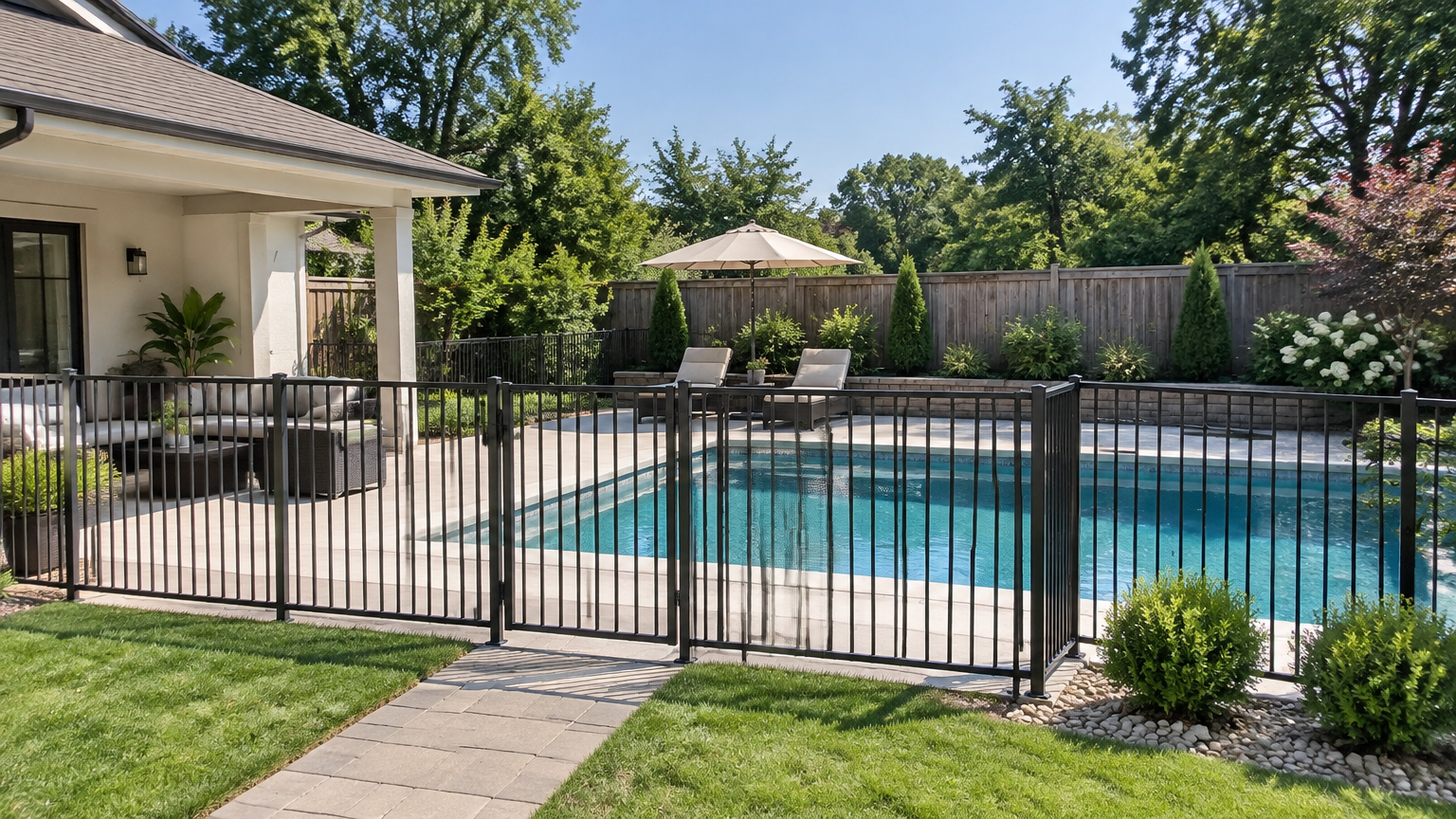
The pool should be physically separated from the home and other parts of the yard when possible. The CDC guidance on pool barriers and swim safety describes a four-sided fence at least four feet high that separates a home pool from the house. Local rules may call for different or additional features, so check the requirements for your location.
A clean-looking space also needs practical information. Guests should know where they are allowed to walk, sit, swim, change, and place personal items. If the booking includes only the pool and a particular deck, say so clearly rather than leaving guests to guess.
Which safety checks should hosts complete before a booking starts?
A short pre-arrival walkthrough can catch problems that are easy to miss during ordinary pool use. Focus on eight checks: water condition, barriers, gate operation, walking surfaces, equipment, drain covers, emergency supplies, and communication.
Check the water. Confirm that the water is clear enough to see the pool bottom and that chlorine and pH have been tested according to your maintenance routine. CDC guidance identifies chlorine and pH as key parts of home pool water treatment. Follow product labels and applicable local rules rather than relying on appearance alone.
Inspect the barrier. Look for gaps, damaged sections, loose hardware, or objects that could let someone climb over or through the enclosure. A barrier should separate the pool from areas where guests may move freely.
Open and close the gate several times. It should close and latch as intended without being held, propped open, or blocked by furniture. Self-closing and self-latching gates are important features identified in pool safety guidance.
Related reading
Frequently asked questions
What should a host check before pool guests arrive?
Check the water, barrier, gate, deck, pathways, ladders, drain covers, rescue equipment, first-aid supplies, emergency communication, and restricted areas before opening the pool to guests.
Do pool rules replace adult supervision?
No. Posted rules reduce confusion, but they do not replace close, constant supervision, especially when children are near the water.
What should pool arrival instructions include?
Tell guests where to enter and park, which gate or path to use, where they may sit, which areas are private, what rules apply, and how to contact the host.
What if the pool is not ready for a booking?
Pause or restrict access when water is cloudy or untested, a gate will not latch, the deck is damaged, a drain cover is unsafe, rescue equipment is missing, or emergency communication is unavailable.
Test the gate.
Walk the deck and path. Remove toys, hoses, cords, tools, leaves, and loose furniture from the walking route. Check for broken tiles, sharp edges, raised surfaces, or other damage. The American Red Cross home pool safety checklist specifically includes deck and pool surface condition.
Look over ladders and equipment. Check ladders, handrails, steps, diving equipment, slides, and other features included in the booking. If something feels loose, cracked, unstable, or outside its normal condition, keep it out of use until it has been properly evaluated.
Examine drain covers. Never overlook a loose, broken, missing, or damaged drain cover. Pool drain issues can create serious hazards, and a host should not improvise a repair. The CPSC drain cover guidance can help explain why damaged covers need professional attention.
Put emergency supplies within reach. Keep suitable rescue equipment and first-aid supplies accessible near the pool, not locked in a room guests cannot enter. A phone or another dependable way to contact emergency services should also be available according to your setup.
Confirm communication. Make sure guests know how to contact you during the booking and what to do if they notice a problem. Emergency information should be visible and easy to understand. It should not depend on a guest searching through a long message while dealing with an urgent situation.
A checklist is useful, but it is not a substitute for qualified help. Problems involving electrical systems, structural damage, chemical systems, drain covers, barriers, or gate hardware should be assessed by an appropriate professional.
What pool rules should guests see before they enter?
Visible pool rules should explain how guests are expected to use the space, what areas are off-limits, and what to do during an emergency. Include no-diving instructions where appropriate, no running, supervision expectations, equipment restrictions, emergency information, and a simple way to report a problem.
Keep the wording short enough to read at the entrance. A host might post rules such as:
No diving in shallow water or areas not designed for diving.
Walk on the deck and use handrails where provided.
Children must have close, constant adult supervision.
Do not enter the equipment, chemical, garage, or private yard areas.
Do not move pool equipment or adjust controls.
Tell the host immediately about broken equipment, unsafe surfaces, or water concerns.
Call emergency services first when there is an emergency.
Rules should match the actual property. If guests may not use a slide, hot tub, outdoor kitchen, bathroom, or part of the yard, identify that boundary in the listing and arrival message as well as at the property.
Signs do not replace supervision. Drowning can happen quickly and silently, so a host should never suggest that a posted rule, waiver, fence, flotation device, or alarm makes active supervision unnecessary. Guests, particularly adults responsible for children, need to understand their own supervision responsibilities before entering the water.
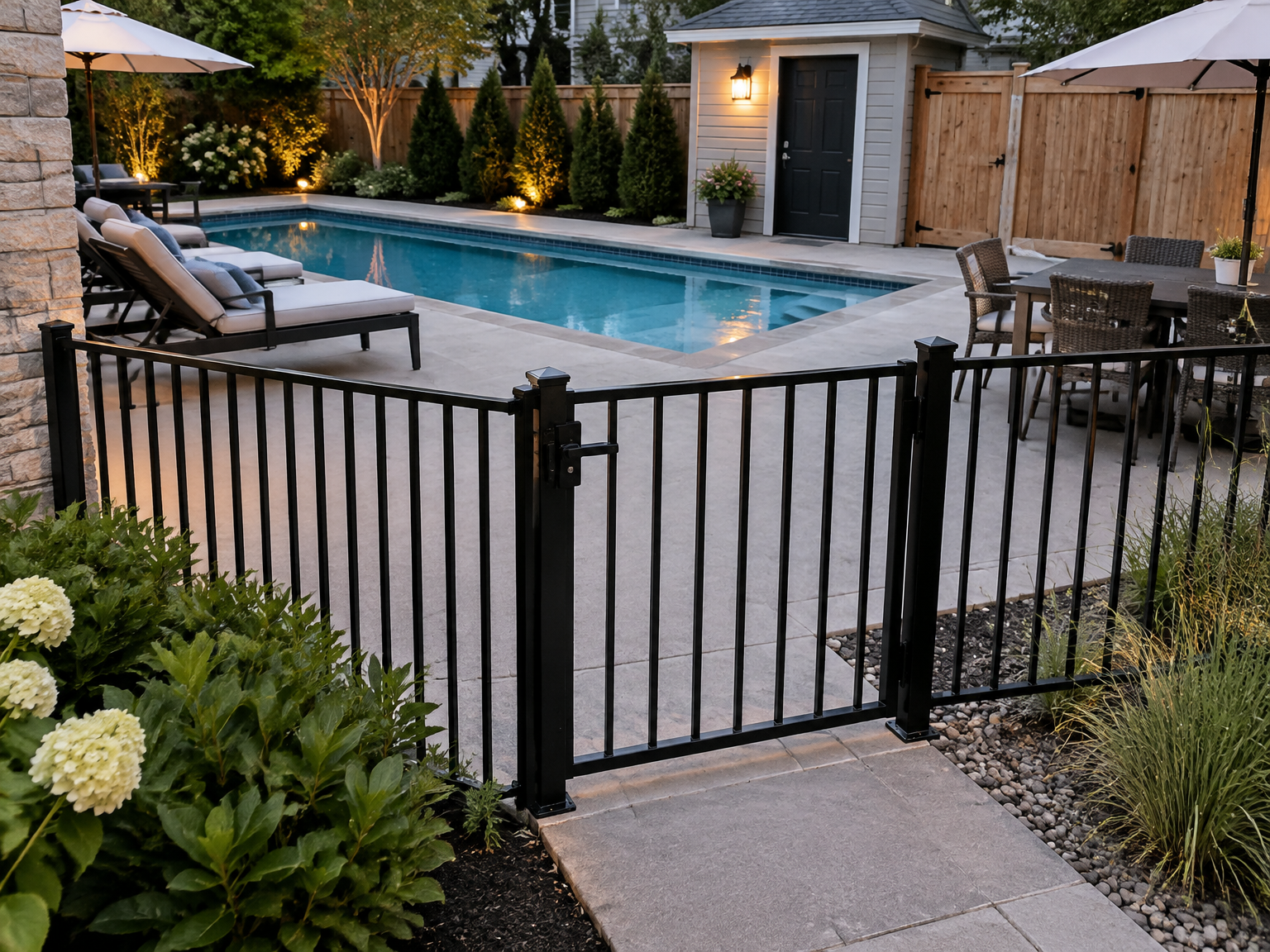
Pool entrance with a self-closing gate and clear walking surface
How can hosts separate guest space from private or hazardous areas?
Clear boundaries keep guests from wandering into places that contain chemicals, controls, tools, vehicles, or personal belongings. Secure four types of areas: pool equipment and chemical storage, garages and utility rooms, private doors and yard sections, and maintenance supplies or controls.
Lock equipment and chemical storage. Keep chemicals, pumps, filters, heaters, and cleaning supplies away from guest access. Do not leave containers, testing materials, or maintenance tools beside the pool where someone could handle them accidentally.
Secure garages and utility rooms. Close and lock doors that lead to garages, workshops, basements, mechanical rooms, or other areas not included in the booking. Check that the door cannot be easily pushed open or propped by normal guest traffic.
Mark private portions of the property. Use a working gate, closed door, fence, or clear physical boundary around private entrances, bedrooms, gardens, storage areas, and sections of the yard. A verbal instruction alone may be forgotten once guests arrive.
Remove or secure maintenance items. Put away hoses, chemicals, ladders, electrical cords, sharp tools, and spare equipment. Never assume guests will recognize which controls or supplies are dangerous.
The guest area should be easy to understand at a glance. If people must pass near a private door or equipment area to reach the pool, explain the route in advance and make the restricted boundary obvious.
What should arrival instructions tell pool guests?
Pool booking arrival instructions should remove uncertainty before guests reach the property. Tell them the correct entrance, parking location, gate or access route, permitted seating and pool boundaries, private areas, what to bring, applicable rules, and how to contact you during the booking.
A useful message can include:
the property entrance and the exact place to park;
whether guests should wait at a gate, door, driveway, or other meeting point;
which path leads to the pool;
how access will be provided;
where shoes, towels, coolers, and personal items may go;
which bathrooms, changing areas, furniture, and yard sections are included;
whether guests may use floats, speakers, grills, or other equipment;
the booking start and end times;
the host’s preferred contact method;
instructions for reporting damage, unsafe conditions, or an access problem.
Avoid vague wording such as “use the backyard” when only part of the backyard is available. A simple description like “Enter through the side gate, park along the front curb, and use the paved path to the fenced pool area. The garage and rear garden are private” is much easier to follow.
The message should match the listing and the physical setup. If the gate, parking location, or entrance changes, update the instructions before the guest arrives. Renters using Parking Mate are expected to follow host arrival and parking instructions, so accurate details are an important part of the booking experience.
How should pool preparation fit around scheduled bookings?
Pool readiness depends on timing as much as cleaning. Build the routine around three parts: prepare before the guest window, keep access limited to the booked period, and reset the area afterward.
Inspect before the booking. Leave enough time to test the water, check the gate and barrier, clear the deck, secure restricted areas, restock first-aid supplies, and review the arrival route. A last-minute glance may not leave time to fix a problem.
Protect the booked window. Open the pool only during the time shown in the booking. Keep the access route consistent, and avoid accepting overlapping sessions if you cannot inspect the space between guests. Hourly bookings may need a buffer for arrival delays, cleanup, and a final condition check.
Reset afterward. Check the deck, furniture, gates, equipment, and water after guests leave. Remove trash and personal items, return furniture to its normal position, and record any issue that needs attention before another booking becomes available.
Parking Mate lets hosts control their availability, so block times when the pool is being cleaned, maintained, or inspected. The calendar should reflect the time when the space is genuinely ready, not simply every hour when someone might want to book it.
What should a host do if the pool is not ready?
Pause or restrict the booking when a condition could make the area unsafe or when a required check has not been completed. Cloudy or untested water, a broken gate latch, damaged walking surfaces, an unsafe drain cover, missing rescue equipment, or unavailable emergency communication are reasons to delay access until the issue is addressed.
Do not try to make a serious problem look acceptable with a sign. A “do not use” notice may be appropriate for an individual feature, but guests should not enter a pool area if the defect affects the route, barrier, water, emergency readiness, or overall access control.
If the problem appears shortly before a booking, contact the guest promptly and explain the situation plainly. Avoid promising a new time until you know the area can be prepared properly. Depending on the issue, a qualified pool professional, electrician, contractor, or other specialist may need to inspect or repair it.
Local pool, zoning, rental, health, insurance, and community rules vary. Parking Mate does not inspect or insure pool listings, and a checklist does not provide legal approval. Check with the appropriate local authority and your insurance professional about paid guest access, pool requirements, and coverage for your property.
How can Parking Mate support a more organized pool-booking routine?
Parking Mate gives hosts a way to list available space, set their own rates and availability, control the calendar, describe access rules, and provide practical arrival information. It does not verify pool safety, water chemistry, barriers, equipment, insurance, or local compliance, so the preparation remains the host’s responsibility.
A workable routine might look like this:
list only the pool area and amenities guests are actually allowed to use;
describe the entrance, parking location, guest boundaries, and important rules;
open calendar times that leave room for inspection and cleanup;
block availability during maintenance or when the property cannot be checked;
send arrival instructions that match the current setup;
complete the same pre-arrival walkthrough before each booking.
Hosts can list their pool space on Parking Mate, while renters can browse private pool spaces to see how pool listings are presented. Keep the listing honest and specific. Clear expectations are useful, but they should never suggest that Parking Mate provides a safety certification or replaces local guidance.
A private pool can be a practical way to make use of available space, but reliable hosting starts with the basics: a secure route, controlled access, clean surroundings, visible rules, accurate scheduling, and a decision to pause when the area is not ready.